Nepal
Nepal is a landlocked country located in South Asia, nestled primarily in the Himalayas. It is bordered by China to the north and India to the south, east, and west. Despite its relatively small size, covering an area of approximately 147,516 square kilometers, Nepal boasts a diverse population of over 30 million people. The population is a rich mosaic of different ethnic groups, languages, and religions, with the majority being Hindu, followed by Buddhists, Muslims, and Christians. Nepali is the official language, while several other languages and dialects are spoken across different regions, reflecting the country's ethnic diversity.
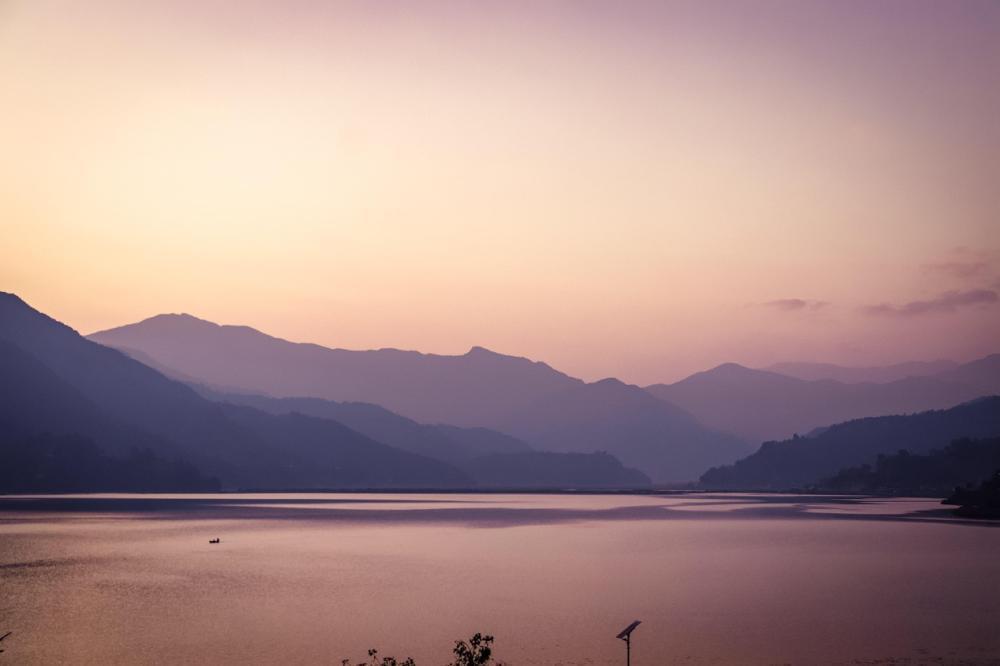
The terrain of Nepal is varied, ranging from the lowland Terai plains, which lie at about 70 meters above sea level, to the towering peaks of the Himalayas, including the world’s highest point, Mount Everest, which stands at 8,848 meters. This geographic diversity results in a wide range of climates. The lowlands experience a subtropical climate, while the mountainous areas have a tenuous alpine climate. The country experiences four main seasons: winter, spring, monsoon, and autumn, each bringing its distinct weather patterns that significantly affect agriculture and tourism, two major components of Nepal's economy.
Nepal is easily identified by its unique national flag, which is the only non-rectangular flag in the world. It consists of two stacked triangles with a crimson background and a deep blue border. The crimson symbolizes bravery, while the blue signifies peace and harmony. Within the triangles, the upper segment contains a white silhouette of the moon, and the lower part holds a white sun. These celestial symbols represent the hope that Nepal may have the same longevity as these celestial bodies. The flag's overall design is steeped in cultural and historical significance, with its triangular shape reflecting the Himalayas and the two symbols, historically shaped like ancient religious symbols, representing the country’s historical royal dynasties.
The cultural tapestry of Nepal is as varied and rich as its geography. Nepalese customs are largely shaped by religion. Festivals such as Dashain and Tihar are celebrated nationwide with great fervor, marked by dancing, singing, and elaborate rituals. Traditional Nepalese music, arts, and crafts play a significant role in these celebrations. The country is also known for its intricate and vibrant handicrafts, including traditional Thanka paintings, handwoven textiles, and ornate metalwork. The Nepalese cuisine, dominated by rice, lentils, and vegetables, is typically spiced with a blend of indigenous herbs and spices, providing a unique culinary experience that complements the country’s rich cultural heritage.