Peru
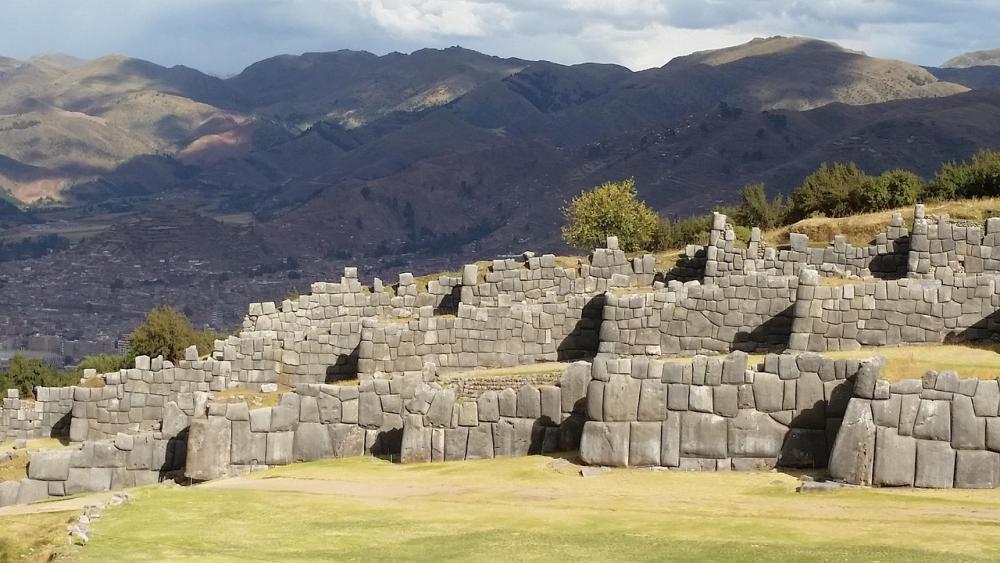
Peru, a country located in the western part of South America, boasts a rich tapestry of cultural and natural elements. It is home to a diverse population of over 33 million people, a blend of indigenous, European, African, and Asian heritages. This melting pot of cultures is evident in every aspect of Peruvian life—from its vibrant festivals to its eclectic cuisine. The country's capital, Lima, is a bustling metropolis by the Pacific Ocean, housing a third of the nation’s inhabitants, serving as its political, economic, and cultural heart. With Spanish being the official language, Peru also recognizes Quechua, Aymara, and several other indigenous languages, underscoring its multicultural roots.
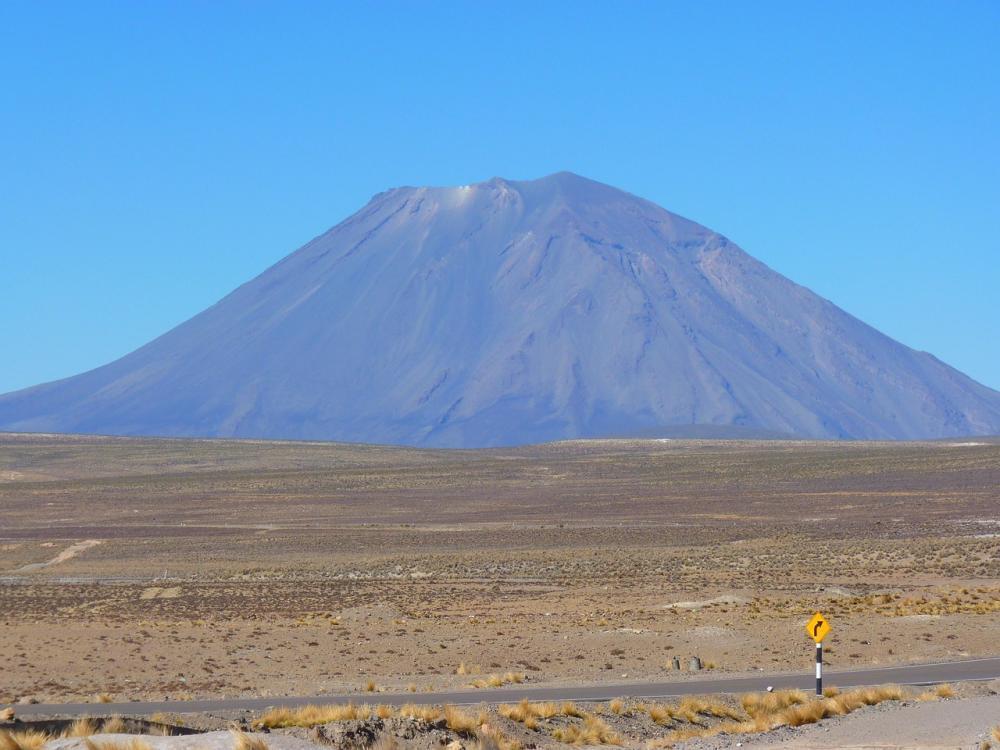
Spanning an area of approximately 1.28 million square kilometers, Peru is renowned for its geographic diversity, which includes the coastal region, the Andean highlands, and the Amazon rainforest. Each of these regions offers its own unique climate and ecological characteristics. The coastal area generally experiences a mild, desert climate with temperatures that rarely fluctuate dramatically. In contrast, the Andean region features cooler temperatures and varied weather, often within the same day. Meanwhile, the Amazon rainforest experiences a tropical climate with high humidity and abundant rainfall, fostering a rich biodiversity that includes thousands of species of flora and fauna.
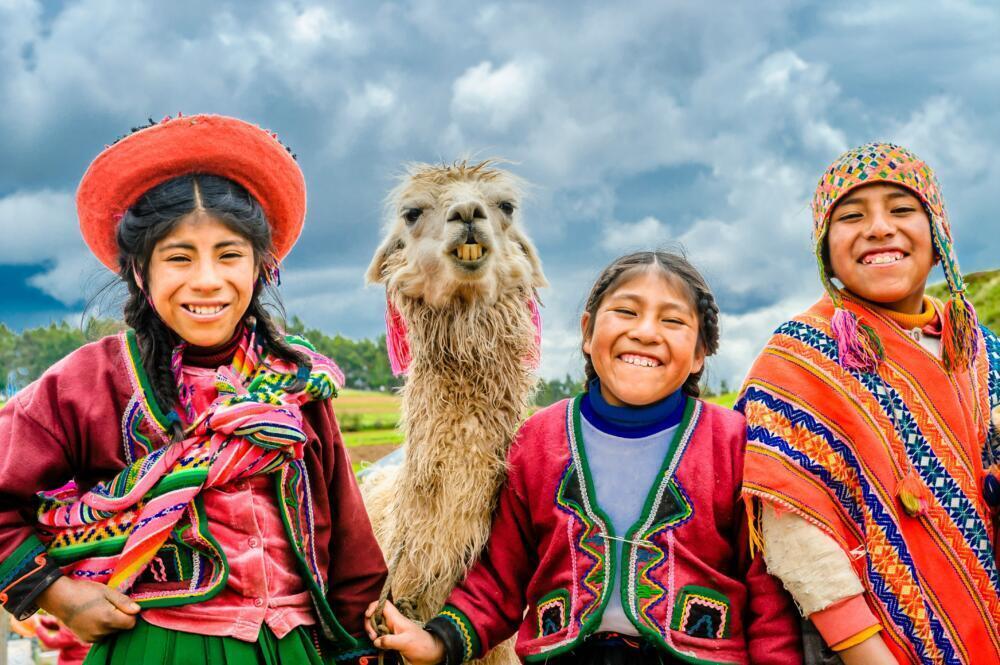
This diversity extends beyond the environment to the cultural identifiers of the country. One of the most recognizable symbols of Peru is its flag, consisting of three vertical bands in red, white, and red. These colors are emblematic; red symbolizes the blood shed for independence, while white stands for peace and bravery. The nation is also identified by majestic landmarks such as Machu Picchu, an ancient Incan city that embodies Peru’s rich historical legacy and attracts tourists from around the globe. Peruvian music and dance, with influences from its varied mix of cultures, are another hallmark of national identity.
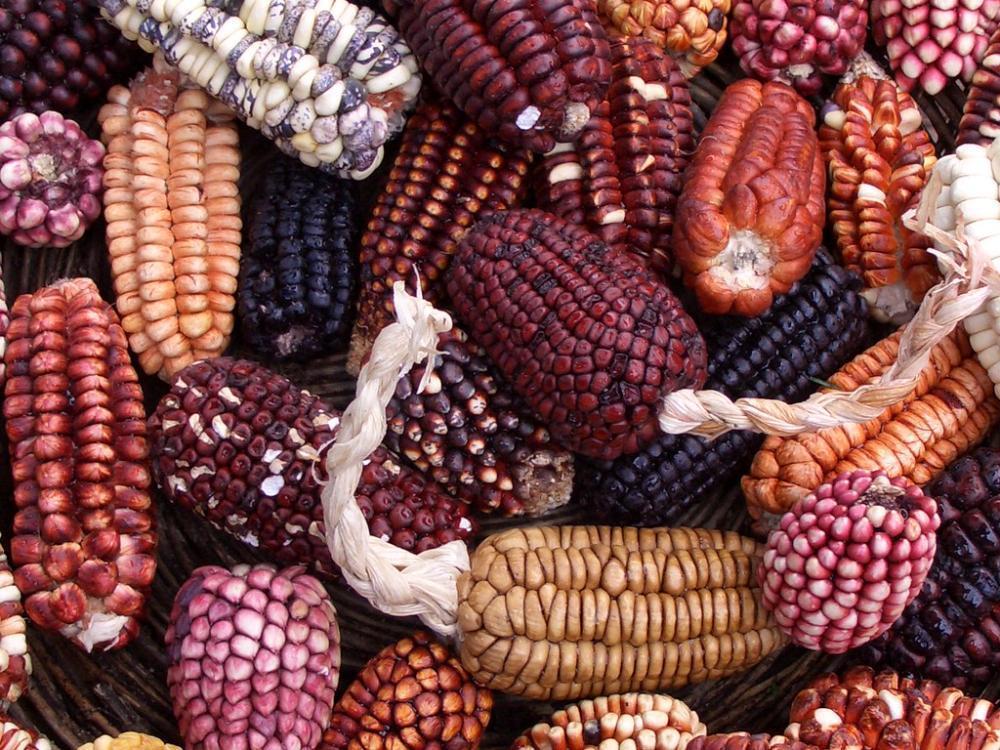
Peruvian customs and traditions are vibrant and deeply embedded in everyday life. The various festivals throughout the year, such as Inti Raymi and the Lord of Miracles procession, showcase the country's religious and historical heritages. Peruvian cuisine, known for its complex flavors and fresh ingredients, includes iconic dishes like ceviche, lomo saltado, and the spicy rocoto relleno. These culinary traditions reflect the country's agrarian roots and the influence of its diverse population. In conclusion, Peru presents a unique blend of natural beauty and cultural richness, making it a distinct and fascinating country on the world stage.