Mozambique
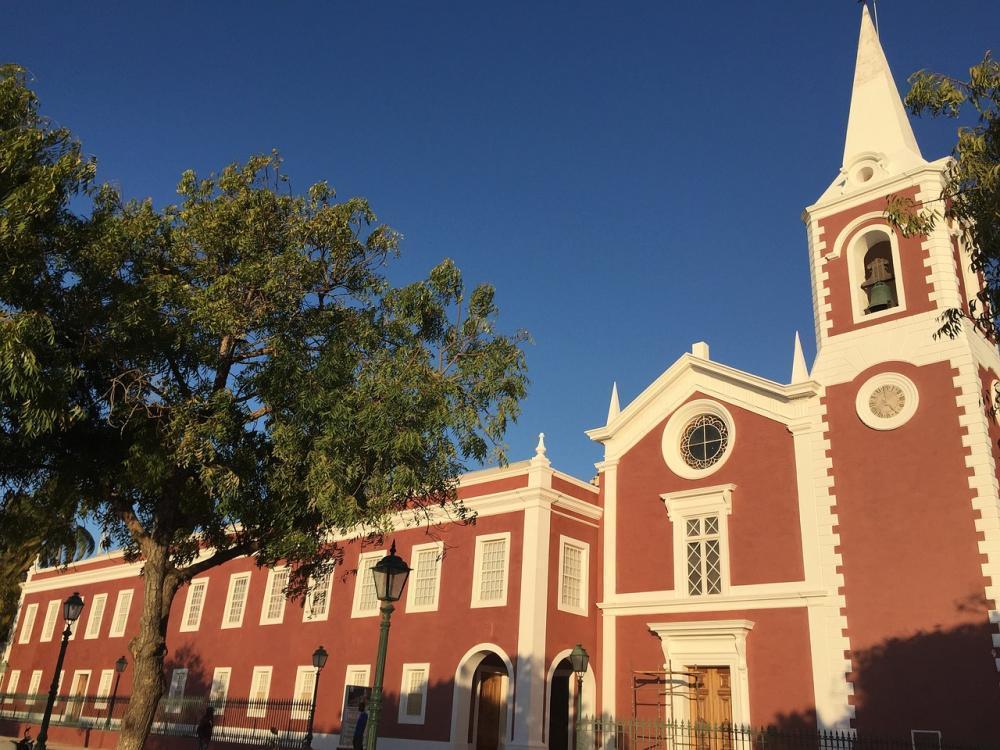
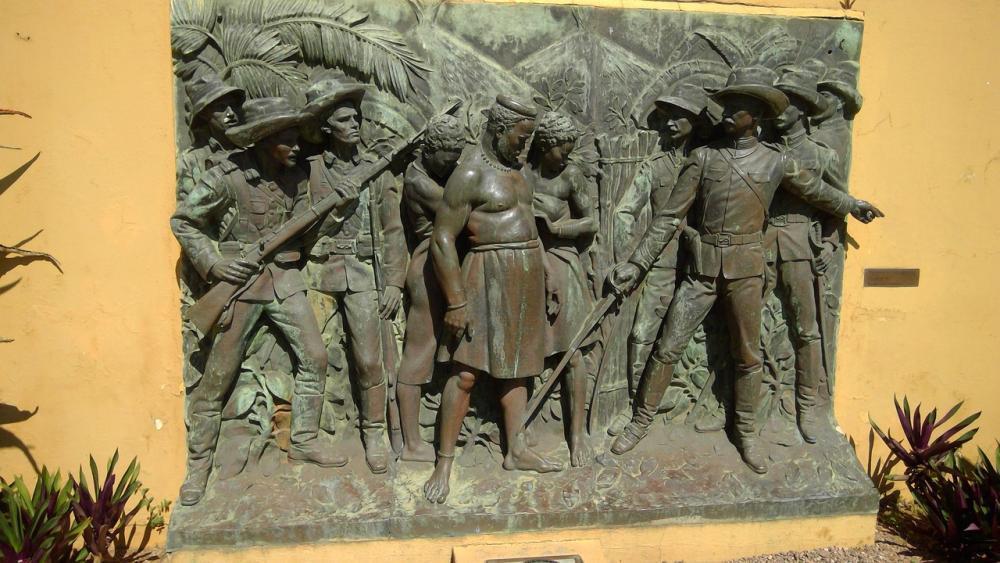
Mozambique is a vibrant nation located on the southeastern coast of Africa, known for its fascinating history, diverse culture, and remarkable landscapes. As of the most recent estimates, Mozambique has a population of over 30 million people. This population is primarily composed of several ethnic groups, with a mix that includes Makhuwa, Tsonga, Lomwe, and Sena, each contributing to the rich cultural tapestry of the country. Portuguese is the official language, a vestige of the colonial era, but many indigenous languages are spoken throughout the country. The population is predominantly young, with a significant portion under the age of 15, reflecting a high birth rate and increasing urbanization in cities like Maputo, the capital.
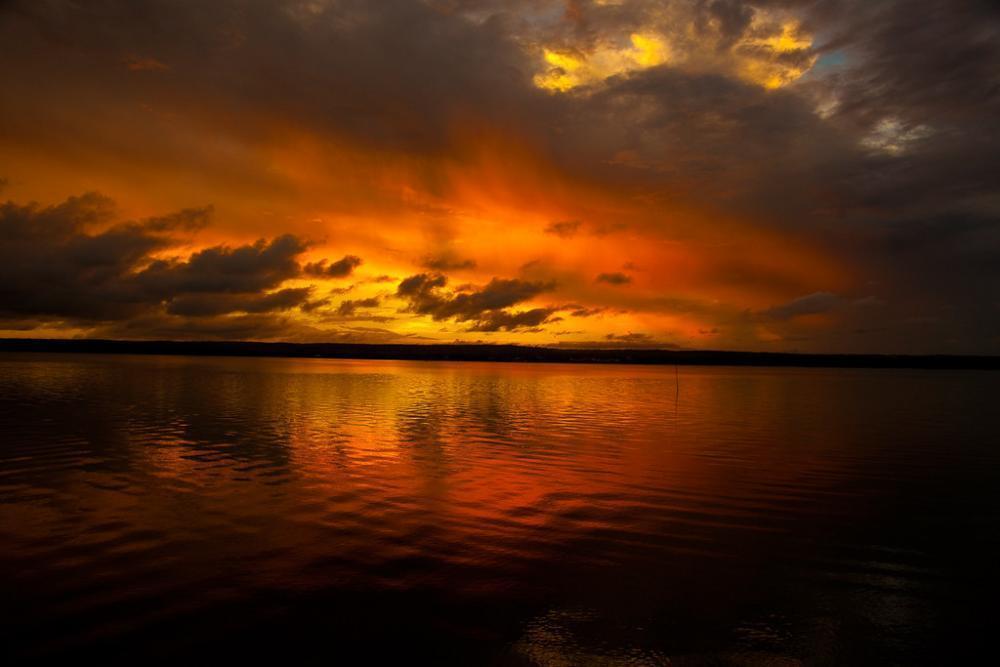
Covering an area of approximately 801,590 square kilometers, Mozambique is one of the larger countries in Africa. Its geography is characterized by a diverse landscape that includes a long coastline along the Indian Ocean, the towering mountains in the west, and the Zambezi River that cuts across the country. This extensive area supports a variety of ecosystems, from savannas and woodlands to tropical rainforests. The natural diversity contributes to a rich biodiversity, making the country a destination for nature lovers. National parks like Gorongosa and the Quirimbas Archipelago are noted for their efforts in wildlife conservation and ecotourism.
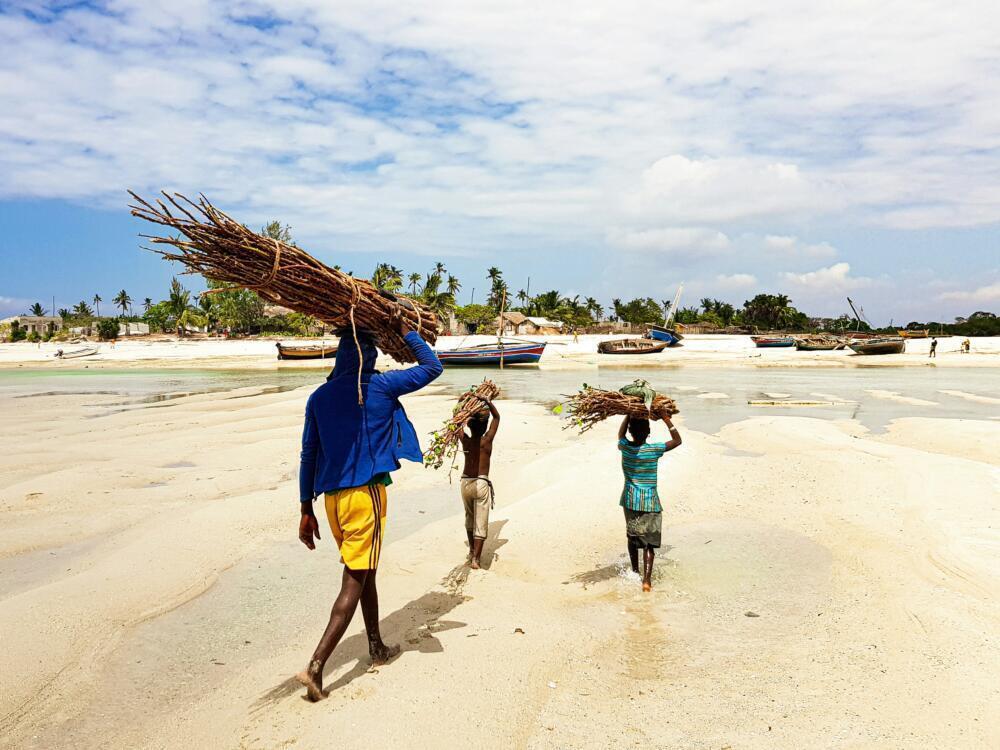
The climate in Mozambique is predominantly tropical, though it varies from region to region. The coastal regions generally experience a warm, tropical climate with a wet season that lasts from November to April and a dry season from May to October. Inland and higher altitude areas can be cooler and more temperate. This climatic diversity supports a range of agricultural activities that form the backbone of the Mozambican economy, including the cultivation of cash crops such as sugarcane, cotton, and cashew nuts. The country's economic activities are deeply intertwined with its climatic conditions, leading to periodic challenges posed by cyclones and droughts.
The national flag of Mozambique is notable for its symbolism reflecting the country's struggle for independence and hope for the future. The flag features bands of green, black, and yellow, separated by white fimbriations, with a red triangle on the hoist side emblazoned with a yellow star, a book, a hoe, and an AK-47 rifle. These elements collectively symbolize agriculture, education, defense, and the country's socialist principles. Traditional music and dance play a crucial role in Mozambique's culture, with genres such as marrabenta and timbila echoing the rhythms of Mozambican life. Social customs often include elaborate ceremonies for weddings, funerals, and rituals linked to ancestral worship, providing a glimpse into the deep cultural roots that continue to shape Mozambican society.