
Afghanistan
Afghanistan, officially known as the Islamic Republic of Afghanistan, is a landlocked country located at the crossroads of Central and South Asia. It shares borders with several countries, including Pakistan, Iran, Turkmenistan, Uzbekistan, Tajikistan, and China. As of recent estimates, Afghanistan has a population of approximately 40 million people, characterized by a rich tapestry of ethnic diversity. The major ethnic groups include Pashtuns, Tajiks, Hazaras, and Uzbeks, each contributing to the country's vibrant cultural heritage. The population is predominantly young, with a significant portion under the age of 25, reflecting both the challenges and potential for growth in the nation.
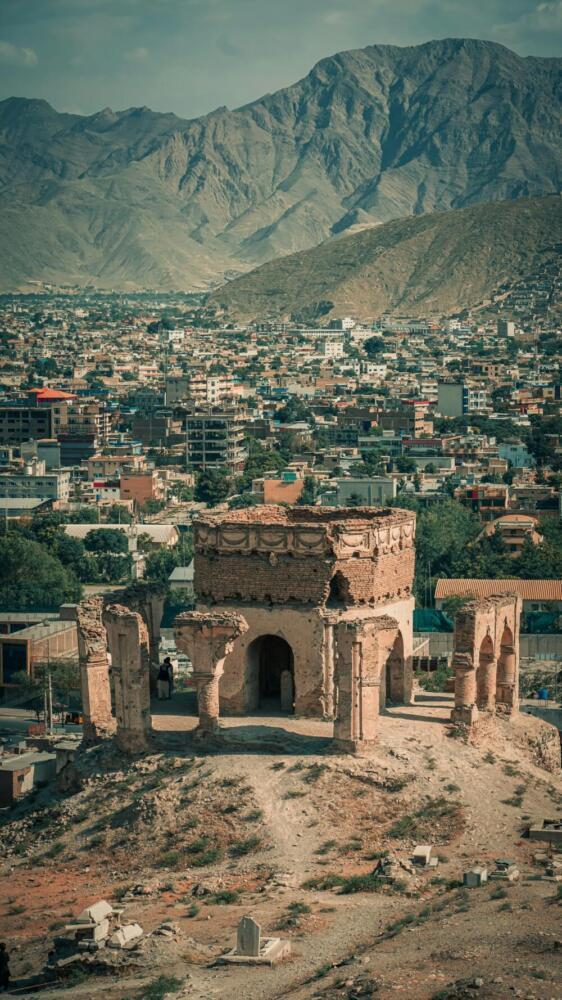
Covering an area of approximately 652,230 square kilometers, Afghanistan features a landscape marked by rugged mountains, such as the Hindu Kush range, vast desert regions, and fertile valleys. The country’s topography significantly influences its climate, resulting in a continental climate with distinct variations. Winters can be harsh and snowy, especially in mountain regions, while summers are generally warm, with temperatures rising significantly in lowland areas. The climatic conditions of Afghanistan contribute to its agricultural economy, as the country relies heavily on farming and livestock rearing, with crops such as wheat, barley, and opium poppy prevalent in the agricultural sectors.
Afghanistan's flag is another important symbol of the country, presenting a tricolor design of black, red, and green stripes with the national emblem in white at the center. Each color holds significant meaning: black representing its troubled history, red symbolizing the blood shed for independence, and green denoting hope and prosperity. The emblem features a mosque with a pulpit and flags on either side, reflecting Islamic traditions and representing the nation's deep cultural connection to its religious heritage. These elements underscore the identity of Afghanistan as a nation with a rich historical and cultural backdrop, despite the challenges it has faced over the years.
In terms of cultural customs, Afghanistan is known for its hospitality and strong community ties. Social gatherings often center around tea, with green tea being a staple in Afghan households. Traditional Afghan music and dance also play an essential role in its cultural expressions, with instruments like the rubab and tanbur commonly featured. Festivals such as Nawroz, marking the Persian New Year, and Eid al-Fitr, celebrating the end of Ramadan, are widely observed with communal feasts, music, and dance, reflecting the country’s cultural vitality. These customs and traditions highlight the rich cultural fabric of Afghanistan, despite the socio-political challenges that often overshadow its cultural landscape.