Iran
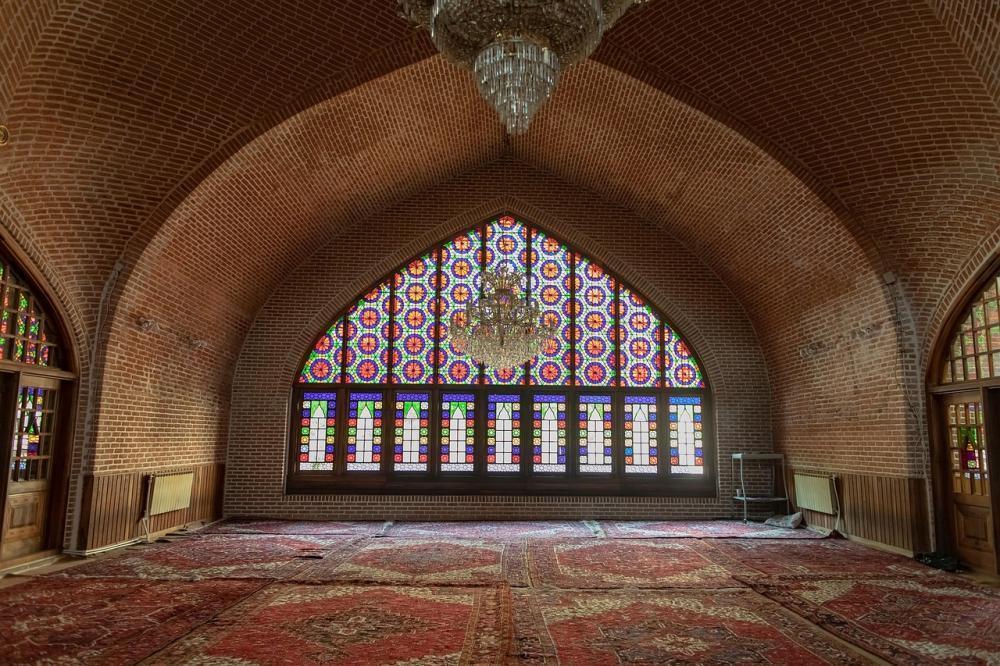
Iran, officially known as the Islamic Republic of Iran, is a country located in Western Asia. It is the 18th most populous country in the world, with a population of over 87 million people as of 2021. Iran's population is primarily comprised of ethnic Persians, but it also includes Azeris, Kurds, and other ethnic minorities. The official language is Persian, although other languages and dialects are also spoken across the country. The majority of Iranians are Muslims, predominantly of the Shia branch, which plays a significant role in shaping the country's cultural and social norms.
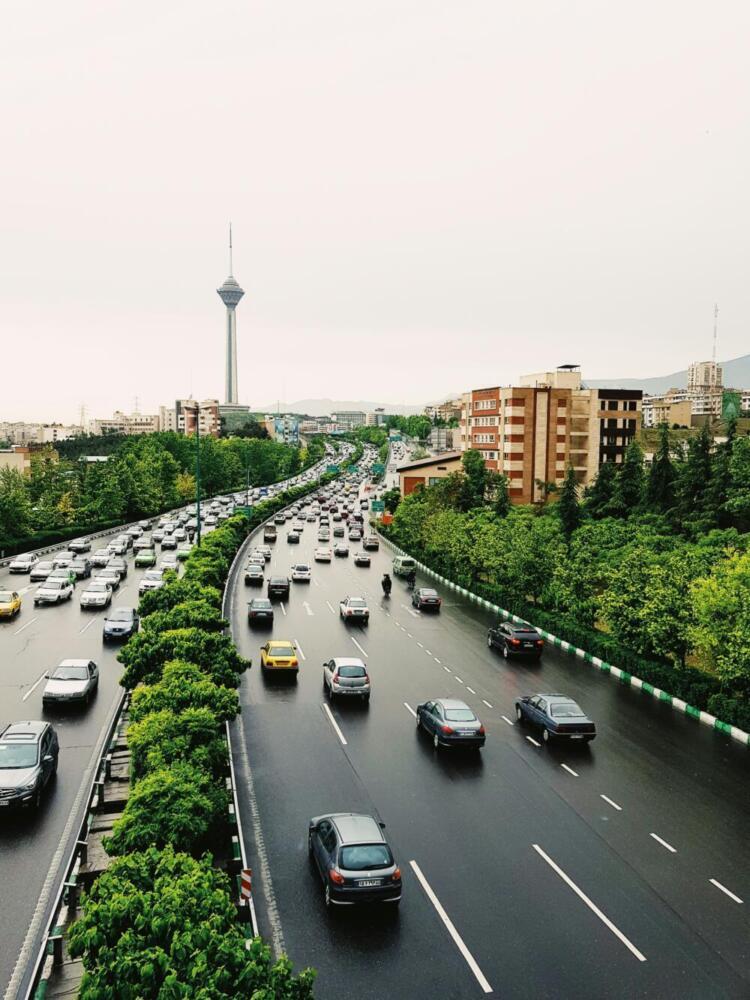
Occupying an area of approximately 1.65 million square kilometers, Iran is the second-largest country in the Middle East and the 17th largest in the world. The country's topography is characterized by its diverse landscapes that range from arid deserts and lush forests to towering mountains and expansive coastlines. The Alborz and Zagros mountain ranges are prominent features, influencing the country's climate and providing a backdrop for numerous natural resources. Iran's strategic location, bordered by several countries and with coastlines along the Caspian Sea, Persian Gulf, and Gulf of Oman, has historically made it a critical player in regional geopolitics.
The climate of Iran varies significantly due to its geographical diversity. The coastal areas tend to have a milder climate, while the central plateau experiences extreme temperature fluctuations, with scorching summers and frigid winters. The desert regions are among the driest in the world, receiving minimal annual precipitation. However, the northern areas, particularly near the Caspian Sea, enjoy a more temperate climate with higher humidity and more abundant rain. This climatic variety supports a wide range of ecosystems, from the subtropical Caspian Hyrcanian mixed forests to the arid desert wildlife.
The national flag of Iran is a symbol of its identity and history. It consists of three horizontal stripes in green, white, and red, from top to bottom. The green stripe represents growth and prosperity, the white symbolizes peace and honesty, and the red denotes bravery and martyrdom. In the center of the white stripe is the national emblem, a stylized composite of various symbols associated with Islamic culture. Iran's rich cultural heritage is reflected in its traditional customs, such as Nowruz, the Persian New Year, celebrated on the vernal equinox. This ancient festival highlights the importance of spring rebirth and renewal and is marked by various rituals and customs that have been passed down through generations. This dedication to preserving cultural traditions, coupled with a unique blend of ancient and modern influences, continues to define Iran's vibrant and dynamic character.