Egypt
Egypt, situated in the northeastern corner of Africa and extending into Asia via the Sinai Peninsula, is a country with a rich historical tapestry and a dynamic modern society. As of recent population estimates, Egypt is home to approximately 104 million people, making it the third most populous country in Africa. The population is predominantly concentrated along the Nile River Valley and Delta, which offer fertile lands in stark contrast to the surrounding arid desert regions. The demographic landscape is characterized by a youthful populace, with a significant percentage under the age of 30, which contributes to the vibrant cultural and social dynamics within the country.
Spanning roughly 1,001,450 square kilometers, Egypt's vast land area is largely covered by desert, primarily the Sahara. Despite this, the country is geographically diversified, including not only the iconic Nile River but also mountain ranges and the coastal shores of the Mediterranean and Red Seas. The climate varies markedly between regions; however, it is generally characterized by hot, dry summers and mild winters. Desert regions experience significant variations in temperature between day and night, while more temperate conditions prevail in coastal areas. This climatic diversity influences agricultural activities, economic endeavors, and daily life in various parts of the country.
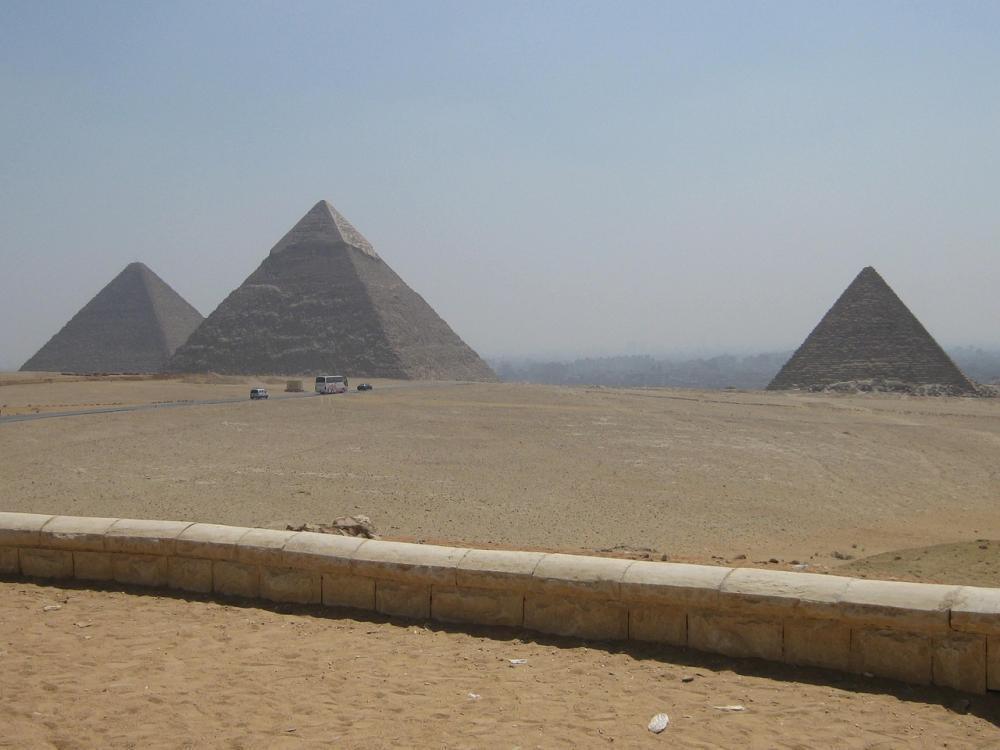
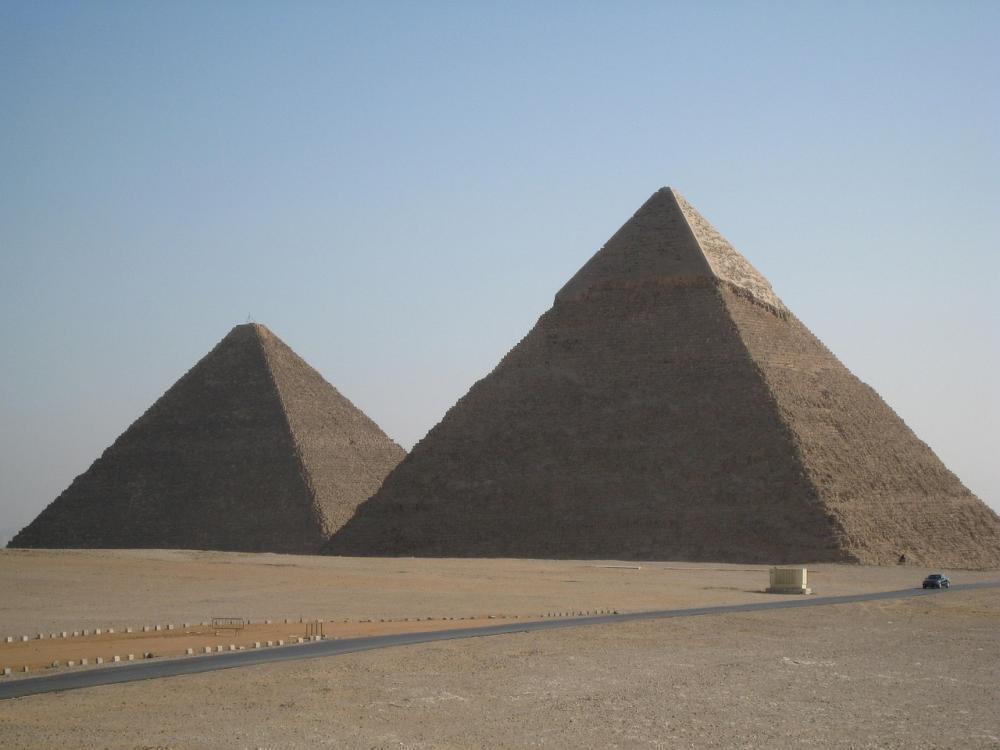
Identifiable worldwide, Egypt is often recognized for its ancient civilization and monumental achievements, including the iconic pyramids, the Sphinx, and a plethora of archaeological sites that draw millions of tourists each year. Its flag is equally symbolic: comprising three horizontal bands of red, white, and black with the national emblem, the Eagle of Saladin, emblazoned on the white stripe. These colors have profound meanings, symbolizing the country’s revolutionary history, peace and optimism, and strength and resilience. Together, they reflect the spirit and heritage of the Egyptian people and their unwavering national identity.
The customs of Egypt are equally varied and vibrant, reflecting a blend of ancient and modern influences. Egyptian society places a strong emphasis on family, community, and religious observance, prominently Islam and to some extent Christianity. Cuisine forms an integral part of cultural life, with popular traditional dishes like koshari and ful medames showcasing the country's rich culinary heritage. Festivals, both religious and secular, are celebrated with enthusiasm, with Ramadan and Eid al-Fitr being particularly significant. Additionally, traditional arts, crafts, and music continue to be cherished, sustaining cultural continuity and community coherence. Overall, the customs of Egypt not only highlight the country’s storied past but also contribute to a uniquely Egyptian way of life that continues to evolve within the global context.