Argentina

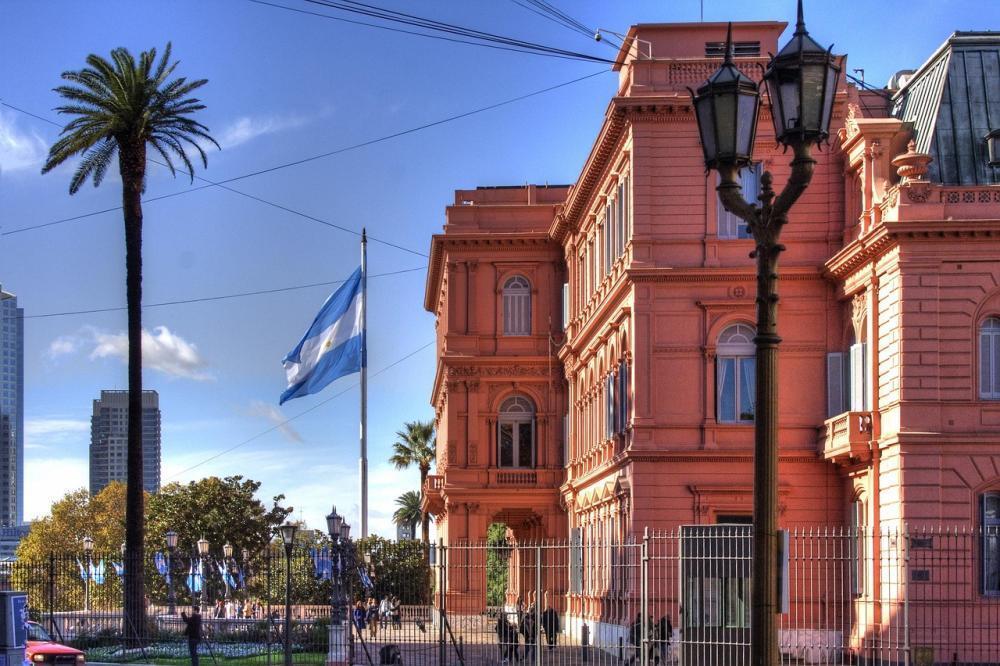
Argentina, the second-largest country in South America, is known for its diverse geography and vibrant culture. With a population of over 45 million people, it is the fourth most populous country in the region. The majority of Argentina's population is concentrated in urban areas, with Buenos Aires, the capital, being the most populous city. This cultural and economic hub plays a pivotal role in the nation's identity, serving as a center for the arts, media, and politics.
Covering an expansive area of about 2.78 million square kilometers, Argentina is the eighth-largest country in the world by land area. Its vast terrain includes diverse geography ranging from the rugged Andes Mountains in the west to the fertile Pampas grasslands that provide the country with its incredible agricultural output. The nation's southern region, known as Patagonia, is famous for its stunning natural landscapes, including glaciers and wildlife. These varied geographical features allow Argentina to offer a wide range of climates, from subtropical areas in the north to polar conditions in the southern tip.
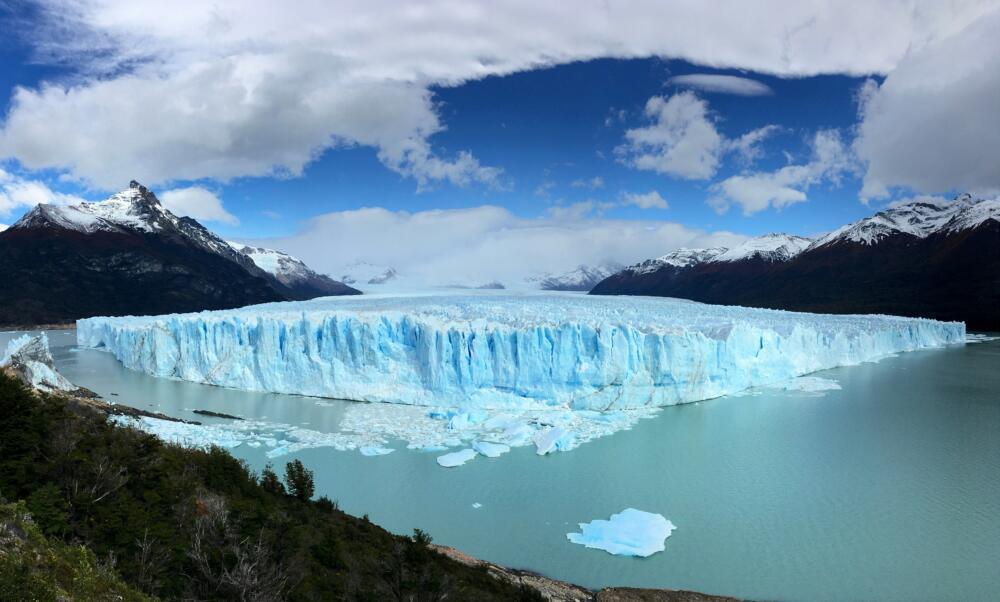
Argentina's climate is as diverse as its geography, with temperate conditions in the majority of the country. The Pampas experience moderate temperatures and distinct seasons, making it an ideal area for agriculture. The northern part of the country enjoys a subtropical climate, which supports lush vegetation and diverse wildlife. Meanwhile, in the south, Patagonia boasts a colder, drier climate with unique flora and fauna that attract tourists from around the world seeking adventure and solitude. This climatic diversity contributes to Argentina's rich biodiversity, from the arid deserts to the lush rainforests.
The Argentine flag is a national symbol that deeply resonates with its citizens. It features three horizontal bands, two light blue and one white, with a golden sun emblem at its center—known as "The Sun of May." This emblem traces its origin to the Argentine War of Independence and symbolizes the country's sovereignty. Additionally, Argentina is renowned for its distinctive customs and traditions. Tango music and dance, for example, originated in Buenos Aires during the late 19th century and have since become synonymous with Argentine culture. Another integral aspect is the tradition of sharing mate, a popular drink made from the leaves of the yerba mate plant, which represents hospitality and community. Together, these attributes create a rich tapestry that highlights Argentina's unique cultural heritage and reinforces its place on the global stage.