Algeria
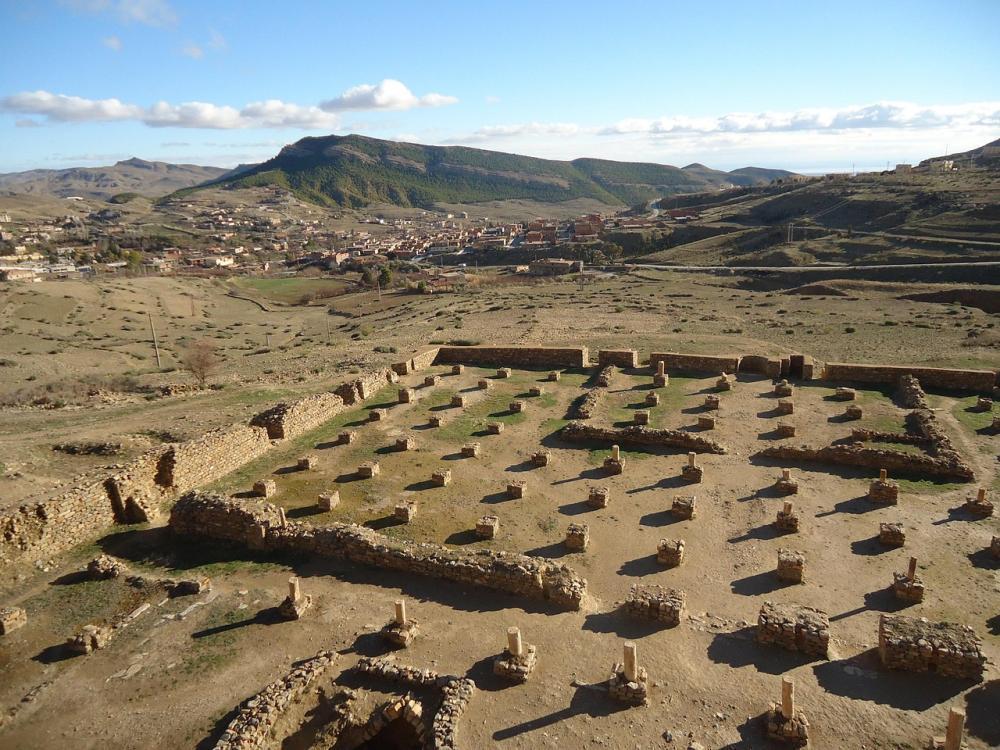
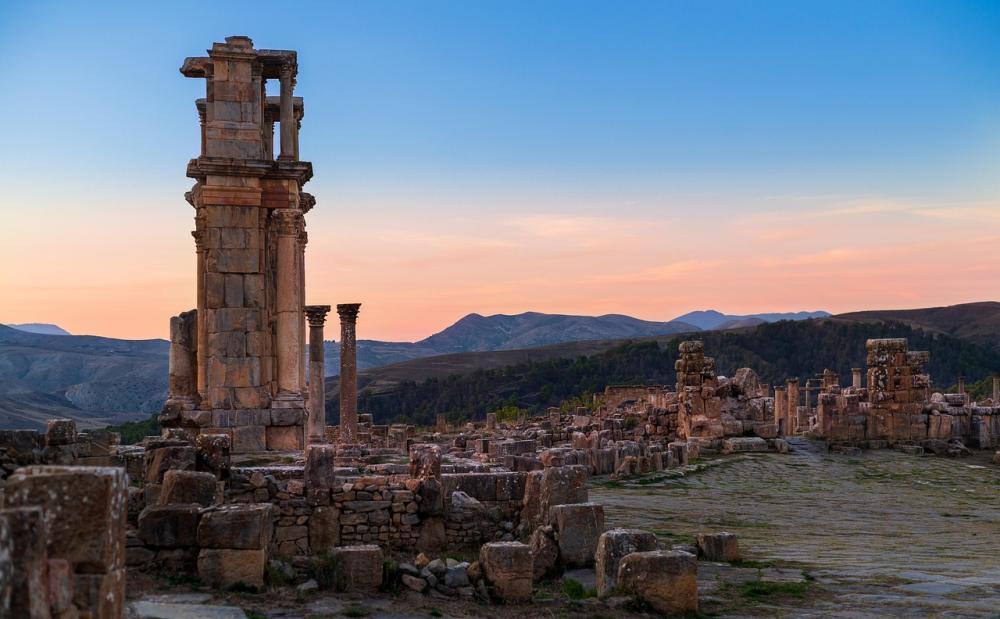
Algeria, located in North Africa, is the largest country on the continent by land area, covering approximately 2.38 million square kilometers. The country boasts a diverse population of about 44 million people, comprising various ethnic groups, the most prominent being the Arab-Berber community. The majority of Algeria's population resides along the fertile coastal plains, with the capital city, Algiers, serving as the political and cultural hub. Known for its rich historical tapestry, Algeria's population reflects a diverse cultural blend influenced by various civilizations, including the Berbers, Romans, Arabs, and French.
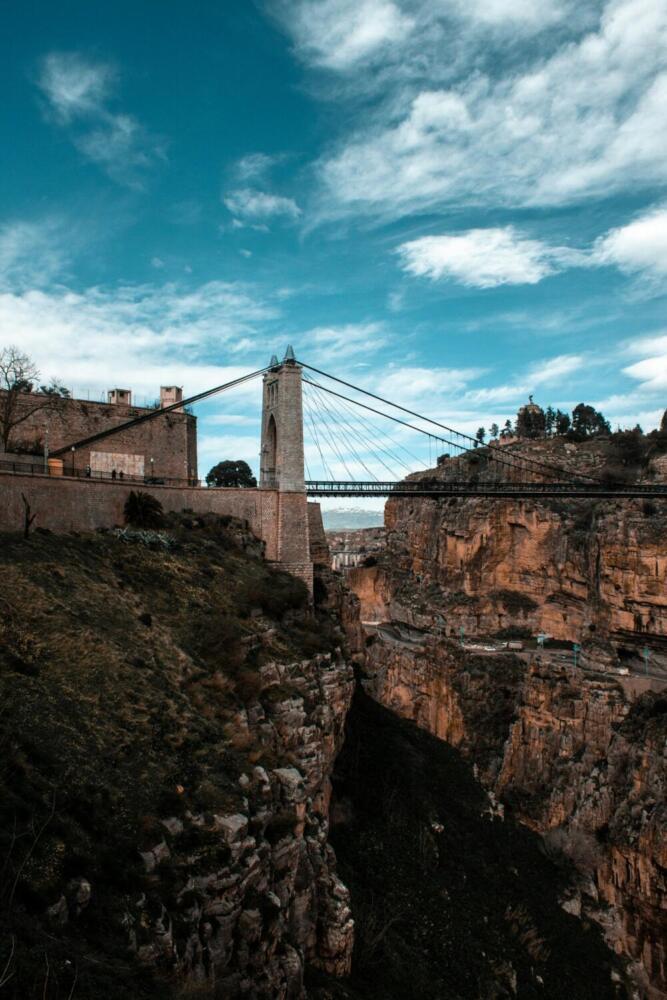
Spanning such a vast territory, Algeria is characterized by diverse landscapes and climates. In the north, the climate is typically Mediterranean, characterized by mild, wet winters and hot, dry summers. The Tell Atlas mountain range creates a natural barrier separating the coastal plains from the Sahara Desert, which dominates the southern part of the country. The Sahara, covering nearly 80% of Algeria's land area, experiences extreme temperatures, arid conditions, and minimal rainfall, contributing to its dramatic desert landscape, which is often considered the quintessential image of Algeria.
Algeria's cultural identity is further highlighted through its national symbols, with the national flag being a particularly significant emblem. The flag comprises two vertical bands, green and white, with a red crescent and star centered over the divide. Green symbolizes Islam, while the white reflects purity and peace. The red crescent and star are traditional symbols of Islam, representing both the country's Islamic heritage and its struggle for independence. These elements collectively underscore Algeria's historical journey and its enduring cultural values.
Algerian customs are steeped in tradition, reflecting the country's diverse ethnic roots. Hospitality is a cornerstone of Algerian culture, with great emphasis placed on welcoming guests with warmth and generosity. Traditional clothing, such as the djellaba and burnous, is commonly worn, particularly during festivities and ceremonies. Algeria's cuisine also plays a vital role in its cultural identity, characterized by dishes such as couscous and tajine, which are often enjoyed during communal meals. Music and dance, such as the indigenous Kabyle folk music and the chaabi genre, are integral to social gatherings, highlighting Algeria's vibrant cultural landscape. Through these customs, Algeria maintains a rich cultural heritage that continues to captivate both locals and visitors alike.