Iraq

Situated in the heart of the Middle East, Iraq is a nation steeped in history, with a rich cultural heritage that dates back to ancient Mesopotamia. The country is home to approximately 40 million people, making it one of the more populous nations in the region. Over the years, Iraq's population has become a tapestry of diverse ethnic groups, including Arabs, Kurds, Turkmen, and Assyrians. Baghdad, the capital city, is not only the political center but also a focal point of cultural and economic activities, reflective of the nation's storied past and vibrant present.
Geographically, Iraq spans a surface area of nearly 438,000 square kilometers. The country's landscape is predominantly made up of desert areas, particularly in the western regions, though it is traversed by the lush river valleys of the Tigris and Euphrates. These rivers have been the lifeblood of Iraqi civilization for millennia, supporting agriculture and settlement. Northern Iraq is characterized by mountainous terrain, notably the Zagros mountains, offering a stark contrast to the arid south and the flatter central regions. This diversity in geography contributes to Iraq's range of climates, from the arid desert conditions in the center and south to cooler, wetter weather in the north and northeast.
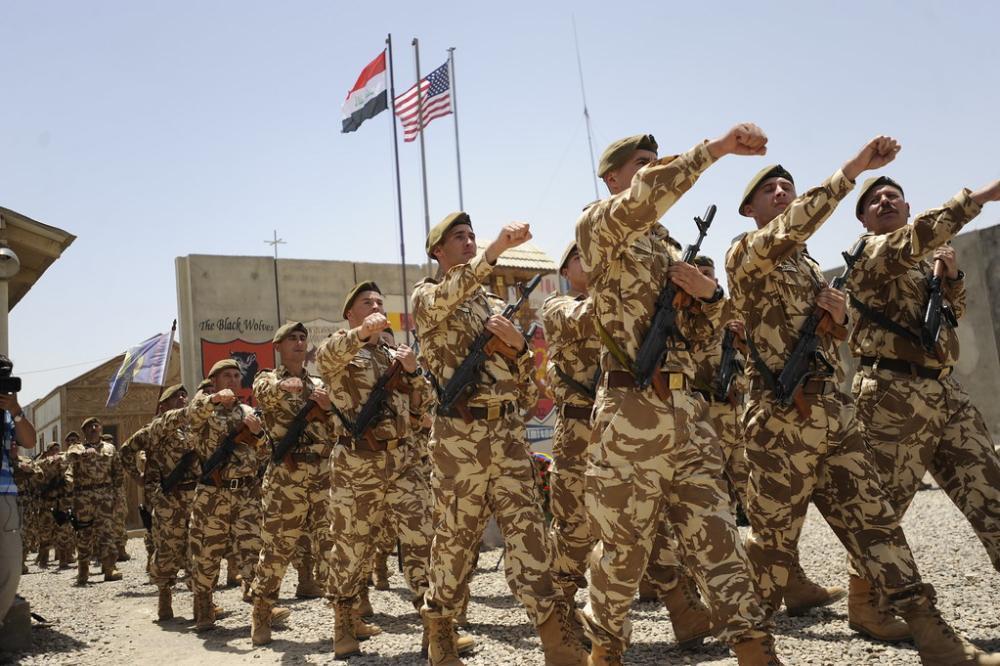
The Iraqi flag is a symbol of national pride and identity. It consists of three horizontal bands of red, white, and black, mirroring the Pan-Arab colors associated with Arab unity. Prominently featured in the center is the Takbir, the Arabic phrase "Allahu Akbar" (God is Great), written in green. This addition reflects the importance of Islam in the country, as it is the predominant religion, practiced by the majority of its citizens. The flag's symbolism is deeply rooted in Iraq's history and cultural identity, representing both its ancient heritage and its modern-day values.
Iraq's cultural customs are as diverse as its population. The country is known for its traditional music, intricate handicrafts, and a rich culinary tradition that blends influences from neighboring regions. Iraqi cuisine often includes staple foods such as rice, flatbreads, and grilled meats, flavored with a variety of local spices. Social gatherings and hospitality are important facets of Iraqi life, with festivals such as Eid al-Fitr and Nowruz celebrated widely with great enthusiasm. These customs, developed over centuries, underscore Iraq's complex cultural mosaic, highlighting the enduring resilience and warmth of its people amidst a backdrop of historical challenges and achievements.