Ethiopia
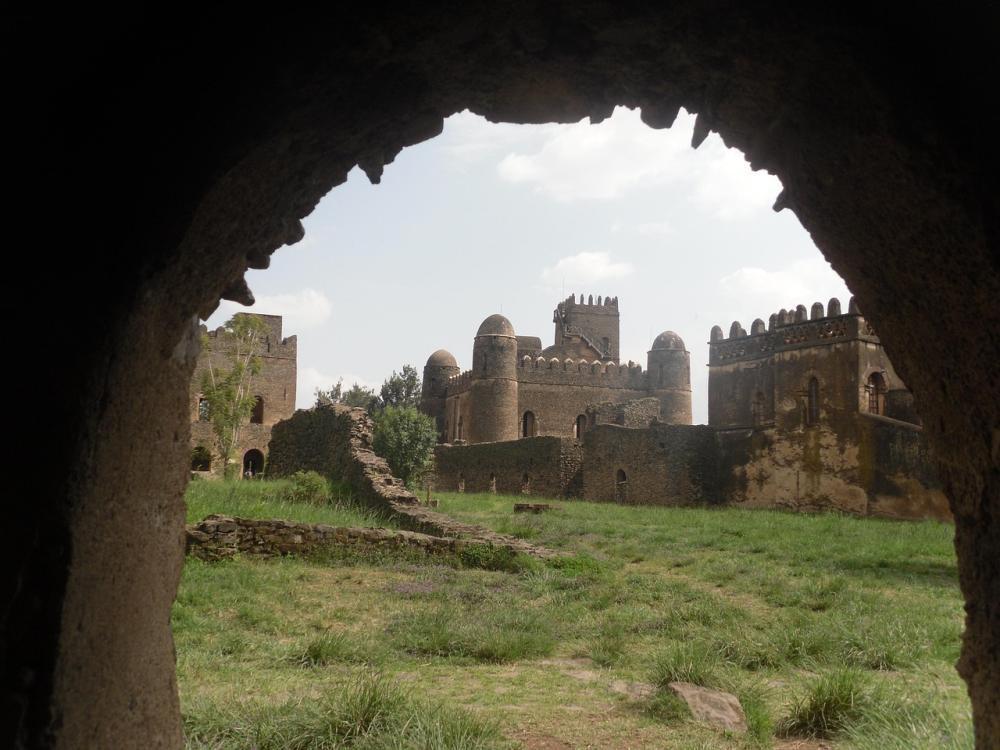
Ethiopia is a country located in the Horn of Africa, known for its rich cultural heritage and significant historical background. It is one of the world's oldest nations, with a history that dates back thousands of years. The country is home to a diverse population of over 114 million people, making it the second-most populous nation in Africa. This diversity is reflected in the multitude of languages spoken across the country, with Amharic being the official language. The social fabric of Ethiopia is further enriched by various ethnic groups such as the Oromo, Amhara, Tigrayans, and Somali, each bringing unique cultural traditions and practices to the national tapestry.
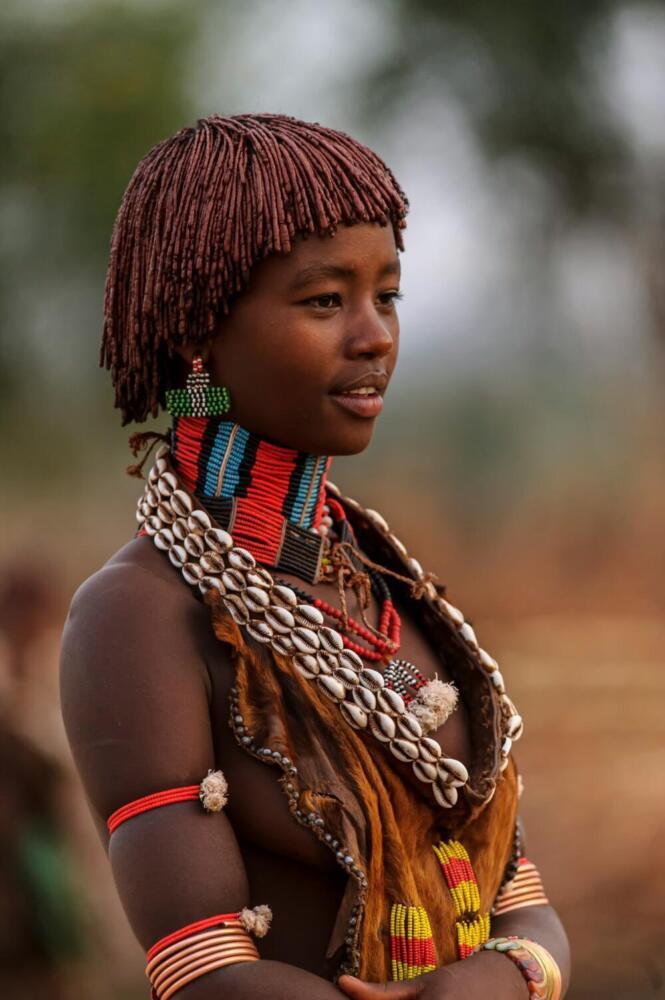
In terms of geographical size, Ethiopia spans over 1.1 million square kilometers, ranking as the 27th largest country in the world by surface area. The topography is marked by significant contrasts, featuring highland plateaus, rugged mountains, and arid lowlands. This varied landscape influences the climate significantly, allowing for temperate, tropical, and even semi-arid conditions in different regions of the country. Generally, the highlands experience a milder climate due to their elevation, while the southern and eastern lowlands can become considerably hot and dry. These climatic variations also dictate the agricultural patterns, which remain the cornerstone of Ethiopia’s economy.
One of the most distinctive aspects of Ethiopian identity is its national flag, which features horizontal stripes of green, yellow, and red, with a blue circle and a yellow star emblem in the center. The colors of the flag hold great symbolism: green represents hope and the fertile land, yellow symbolizes peace and harmony, and red signifies strength and sacrifice. The emblem in the center stands for unity and diversity within the nation. These colors have inspired other African nations' flags, representing a Pan-African identity. Moreover, Ethiopia is renowned for being the only African country that was never fully colonized, which has deeply imbued a sense of pride and nationalism among its people.
Ethiopian culture is characterized by its unique customs and traditions that have been preserved over centuries. Coffee plays a significant social role, with a traditional coffee ceremony being one of the most recognizable aspects of Ethiopian lifestyle. Additionally, Ethiopian Orthodox Christianity and Islam are the predominant religions, each influencing various customs and feasts. Traditional music and dance are integral to celebrations and everyday life, reflecting the diverse ethnic heritage. The Ethiopian calendar, which runs on a 13-month system, and its distinct cuisine featuring dishes like injera and doro wat, further distinguish Ethiopia in the global cultural landscape. These elements together craft a vivid picture of a nation that cherishes its history while embracing modernity.