Morocco
Morocco, a country situated in North Africa, is known for its rich heritage and cultural diversity. With a population exceeding 37 million people, it offers a tapestry of languages and ethnicities, including Arabs, Berbers, and a mix of both. The official languages are Arabic and Amazigh, with French also widely spoken, reflecting its historical ties with France. Major cities such as Casablanca, Marrakech, Fes, and Rabat, the capital, are bustling centers of culture and commerce. Each city adds a unique flavor to the nation's demographic tapestry, making Morocco a vibrant and dynamic society.
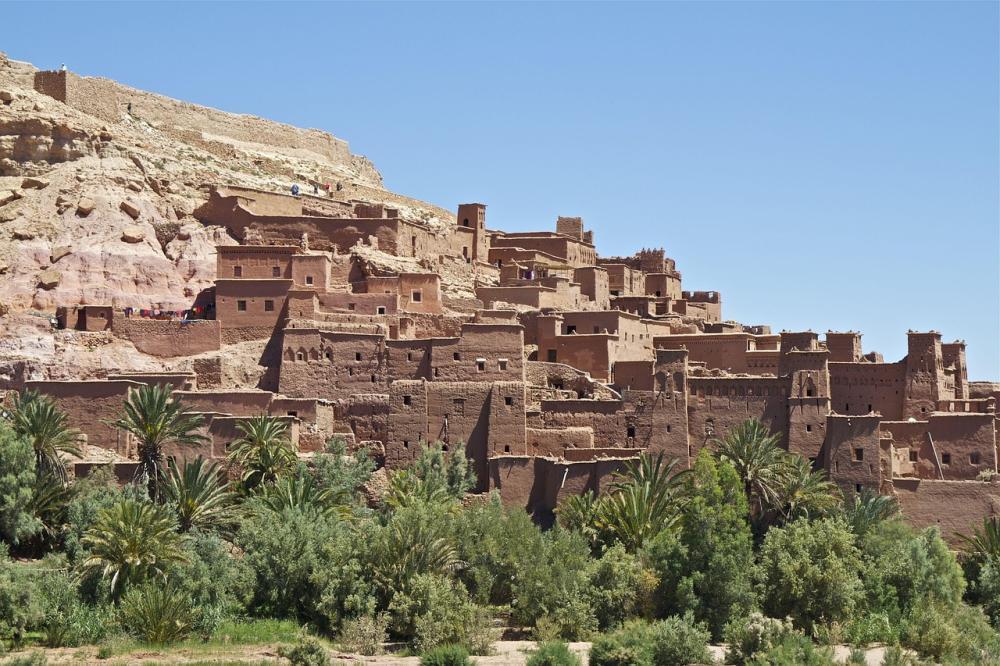
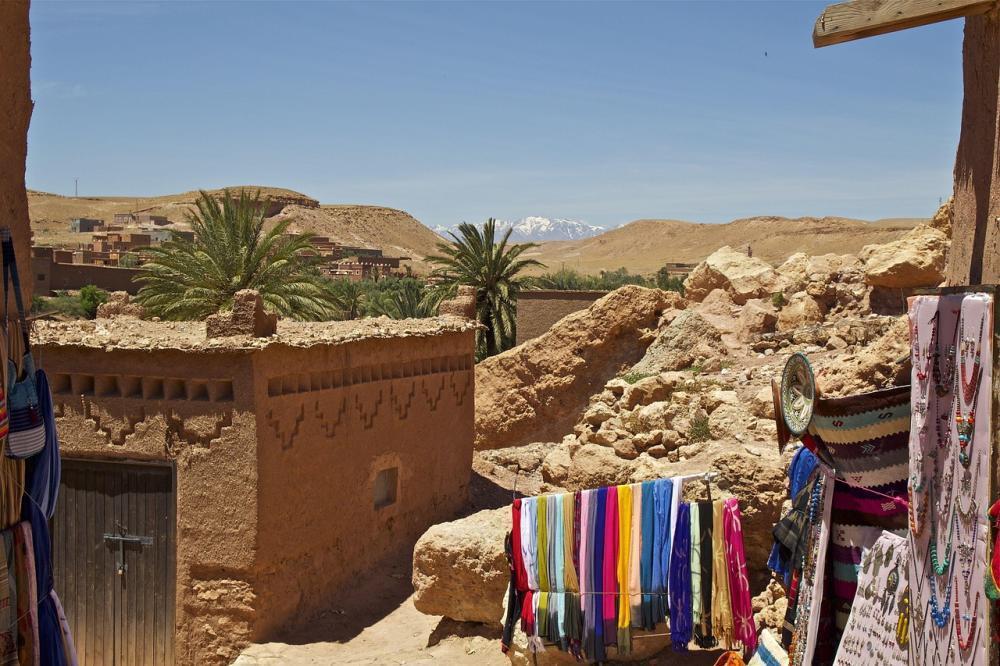
Covering an area of approximately 446,550 square kilometers, Morocco's geographical landscape is as diverse as its culture. The country is nestled between the Mediterranean Sea to the north and the vast Sahara Desert to the south, with the Atlas Mountains cutting across the middle. This unique blend of environments enables a range of agricultural activities and natural beauty. From the intricate alleyways of ancient medinas to the sweeping sands of the desert, the country's varied landscapes offer much to explore.
The climate in Morocco varies considerably across regions. Coastal areas enjoy a Mediterranean climate, characterized by mild, wet winters and hot, dry summers, making them perfect destinations for tourists seeking sun and sea. Inland areas, influenced more by the continental climate, experience a wider range of temperatures, with hotter summers and cooler winters. Meanwhile, the desert regions endure extreme temperatures, showcasing Morocco's climatic diversity. This range of environments supports various ecosystems and agricultural practices, contributing to the nation’s economic and cultural richness.
The Moroccan flag is a deep red with a green pentagram, known as the Seal of Solomon, in the center. The red symbolizes strength and bravery, while the green represents love, joy, and hope. The flag embodies Morocco’s historical and cultural continuity. Moroccan customs are a reflection of its rich cultural tapestry. Known for its hospitable people, the country's societal practices are rooted in traditions that date back centuries. Rituals like the age-old tea ceremony highlight the importance of hospitality. Cuisines such as tagine and couscous are not only central to Moroccan food culture but also play significant roles during religious and family gatherings. The mixture of Arab, Berber, and French influences is evident in music, with genres like Gnawa, Rai, and Andalusian music resonating in vibrant souks and grand music festivals alike. This rich amalgamation of traditions and modernity makes Morocco a fascinating country, where past and present coexist harmoniously.