Uzbekistan
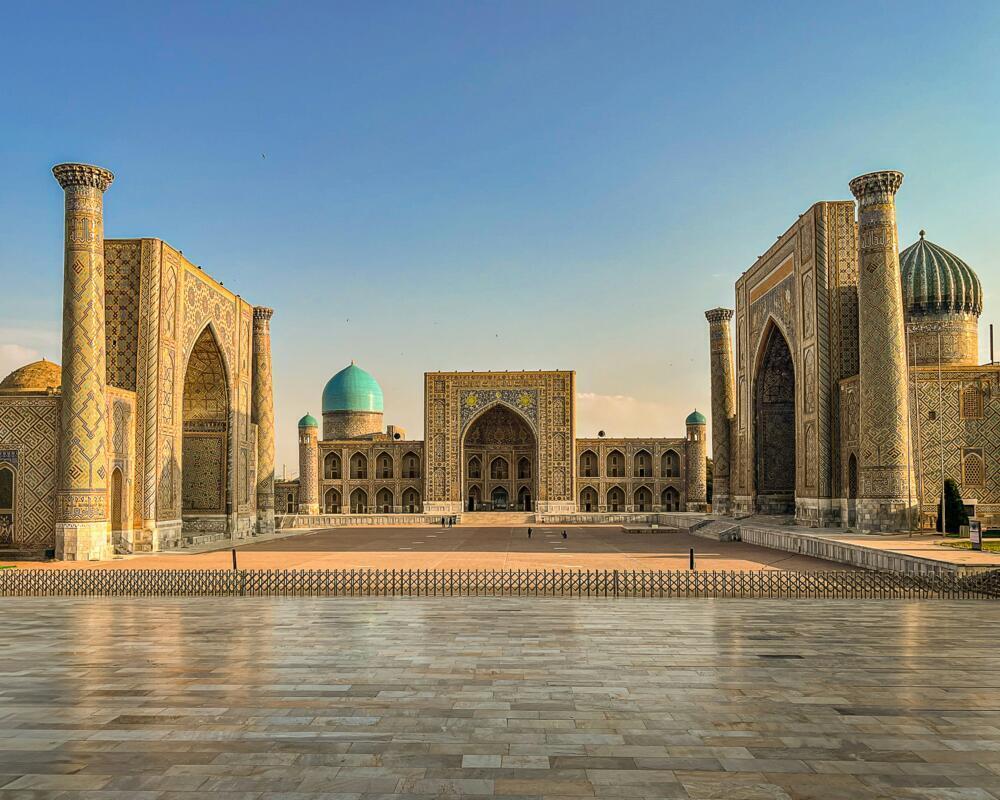
Uzbekistan, a landlocked country in Central Asia, is known for its rich history, vibrant culture, and significant geographical features. As of recent estimates, Uzbekistan has a population of approximately 34 million people, making it the most populous country in Central Asia. The population density is notably uneven, with the majority residing in the eastern half of the country, particularly in urban areas like Tashkent, the capital city. This demographic distribution is influenced by the availability of resources and the historical prominence of these regions as centers of trade and culture along the Silk Road.
Covering an area of 447,400 square kilometers, Uzbekistan is characterized by a diverse landscape that includes vast steppes, sandy deserts, fertile valleys, and mountain ranges. The Kyzylkum Desert, one of the largest in the world, occupies a significant portion of western Uzbekistan, while the eastern region is marked by the Tien Shan Mountains. This varied topography not only shapes the natural beauty of the country but also impacts the climate. Uzbekistan experiences a continental climate, with hot summers and cold winters. Temperatures can reach above 40°C in summer and drop below freezing during winter, particularly in the northern regions. The climate contributes to the agricultural productivity in the valleys, where irrigation supports the cultivation of cotton, wheat, and fruits.
The Uzbek flag, adopted in 1991 following the country’s independence from the Soviet Union, symbolizes the nation’s cultural heritage and aspirations. It features three horizontal stripes of blue, white, and green, separated by red fimbriations. The color blue represents the sky and water, essential elements of life. White symbolizes peace and purity, while green stands for nature and fertility. Additionally, the crescent moon and twelve stars on the flag reflect Uzbekistan's Islamic heritage and historical significance as a center of astronomical study. These elements together capture the essence of Uzbek identity, which is steeped in a blend of ancient traditions and modern statehood.
Uzbek culture is deeply rooted in a mix of ancient Persian, Turkic, and Islamic traditions, which are evident in its social customs, cuisine, and festivals. Hospitality is a cherished value, with guests often welcomed into homes with traditional dishes such as plov (a hearty rice and meat dish) and non (bread). Music and dance also play an integral role in Uzbek society, with classical maqom melodies and lively folk dances performed at celebrations and cultural events. Festivals like Navruz, which marks the Persian New Year and the arrival of spring, are celebrated with much enthusiasm, showcasing traditional crafts, music, and cuisine. These cultural practices not only reflect the diversity and unity within Uzbekistan but also highlight its role as a cultural crossroads in Central Asia.