Madagascar
Madagascar, an island nation situated off the southeast coast of Africa, is renowned for its rich biodiversity and unique ecosystems. With a population of nearly 28 million people as of recent estimates, Madagascar is one of the most populous island nations in the world. The Malagasy people, consisting of eighteen different ethnic groups, have a diverse cultural heritage reflected in their languages, traditions, and arts. The population is primarily rural, with Antananarivo, the capital city, being the most significant urban center. While the island's communities vary, many adhere to traditional customs, which continue to play an integral role in their daily lives.
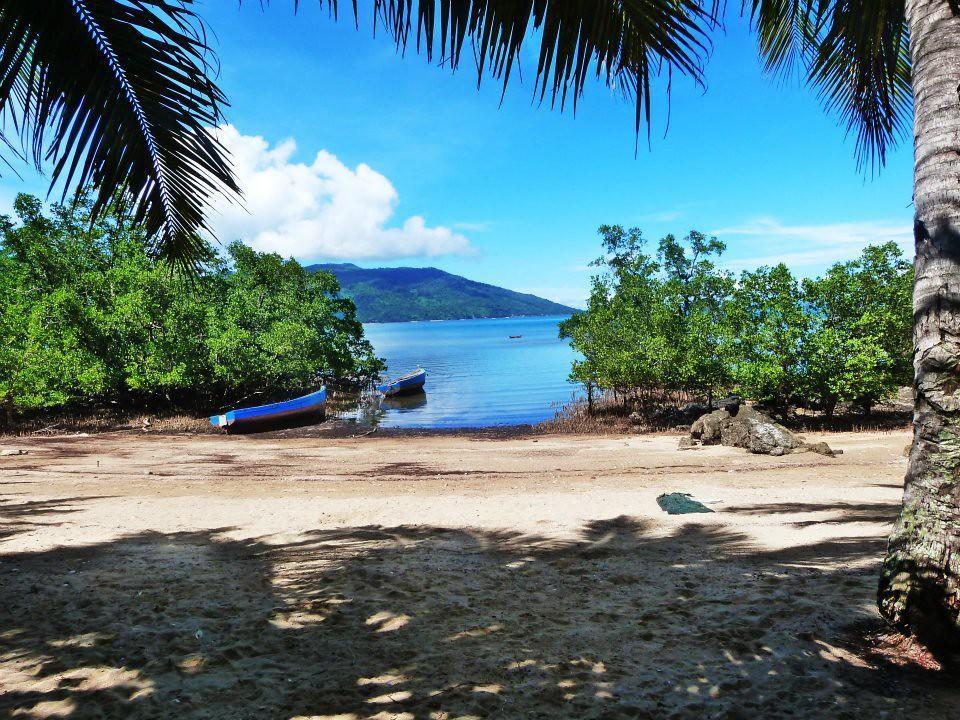
Occupying an area of approximately 587,000 square kilometers, Madagascar is the fourth largest island in the world, larger than countries like France or Spain. Its vast landscapes encompass rainforests, mountains, and coastal regions, offering a variety of natural habitats. The distinct geological features contribute to Madagascar's status as a global biodiversity hotspot. Over 90% of its wildlife is endemic, meaning these species are unique to the island, including the famous lemurs, colorful chameleons, and iconic baobab trees that dot the terrain.
The climate of Madagascar is as varied as its landscapes, primarily due to its topography and geographical position. The coastal areas typically experience a tropical climate with warm temperatures and considerable humidity. The central highlands, where the capital is located, enjoy a milder, temperate climate with cooler temperatures. The country experiences two main seasons: a hot, rainy season that stretches from November to April, and a cooler, dry season from May to October. These climatic conditions influence agriculture, which remains the backbone of Madagascar's economy.
The flag of Madagascar is a symbol of national pride, consisting of three horizontal colors: red, green, and white. Red and white are traditional colors associated with the Merina kingdom, one of the island's prominent ethnic groups. Green represents the coastal regions and the hope for Madagascar's future. The cultural practices of the Malagasy people are deeply rooted in heritage, often blending ancestral beliefs with contemporary influences. Famadihana, or the "turning of the bones" ceremony, is a significant custom where families honor deceased relatives by exhuming them, rewrapping the remains, and celebrating their lives with music and feasting. This event, among others, highlights the profound respect for ancestry and the vibrant communal spirit that defines Madagascar's cultural identity.