Côte d'Ivoire
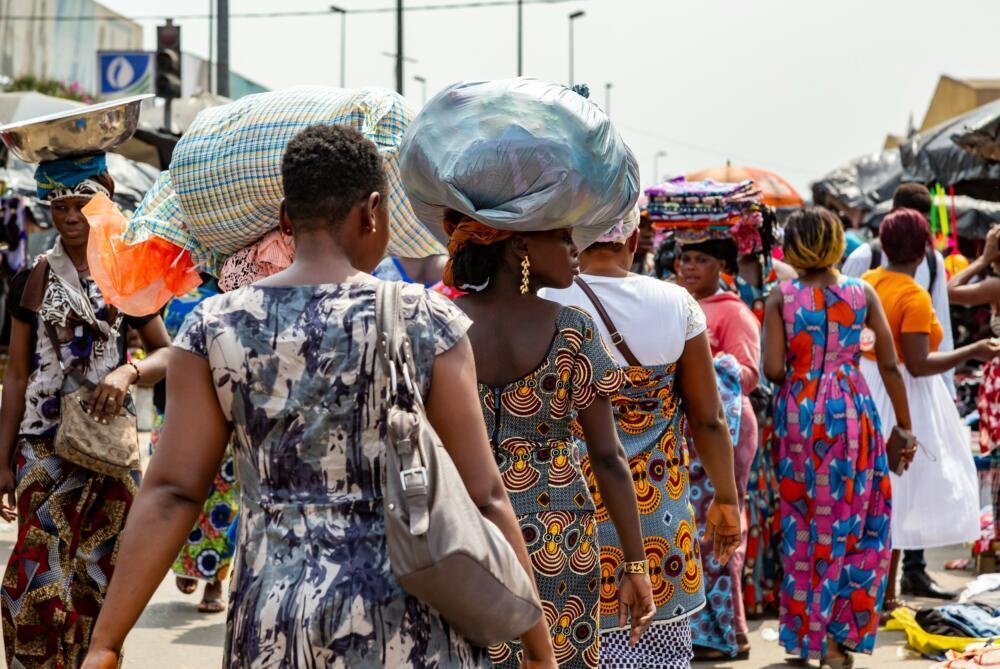
Côte d'Ivoire, also known as Ivory Coast, is a country located on the West African coast. As of the latest estimates, the country has a population of over 26 million people. The population is diverse, comprising more than 60 ethnic groups. The largest ethnic group is the Akan, followed by the Krou, Northern Mandé, and Southern Mandé. This ethnic diversity is reflected in the variety of languages spoken across the nation, with French being the official language due to its colonial history. Abidjan is the largest city and economic hub, although Yamoussoukro is the political capital. The urban population is concentrated in key cities, while rural communities live in traditional villages.
The surface area of Côte d'Ivoire is approximately 322,463 square kilometers, making it one of the larger countries in West Africa. Geographically, the landscape features a blend of savannah and dense tropical forests. The country's northern region is covered by savannahs, while the south is predominantly lush forest. These diverse landscapes support a range of wildlife and are significant for agriculture, which remains a cornerstone of the Ivorian economy. Côte d'Ivoire is particularly known for being the world's largest producer of cocoa beans, an achievement that stems from its fertile lands and favorable farming conditions.
The climate in Côte d'Ivoire can be characterized as tropical, with variable weather patterns depending on the region. The coastal areas experience a humid and equatorial climate, with two distinct seasons: a rainy season and a dry season. The rainy season typically lasts from May to October, bringing plentiful rain that nourishes the agricultural sector. In contrast, the northern region experiences a tropical climate with a single rainy season and a pronounced dry season, which occurs from November to February. This climatic variation significantly influences both the lifestyle and economic activities of the inhabitants of different regions.
The flag of Côte d'Ivoire is made up of three vertical stripes of orange, white, and green. These colors are imbued with symbolic meaning, reflecting national aspirations and characteristics. Orange represents the vibrant land and the country's dynamic spirit, white stands for peace and unity, and green symbolizes the lush vegetation and hope for the future. Côte d'Ivoire's rich cultural tapestry is also expressed through its customs and traditions. The nation is noted for its vibrant festivals, music, and dance. Traditional Ivorian music and dance remain integral to cultural celebrations, often involving elaborate masks and costumes. Ivorians celebrate life with warmth, evidenced in the annual Fêtes des Masques (Festival of Masks), which is a colorful display of local art, history, and traditional beliefs, highlighting the country’s commitment to preserving its cultural heritage.