
Cameroon

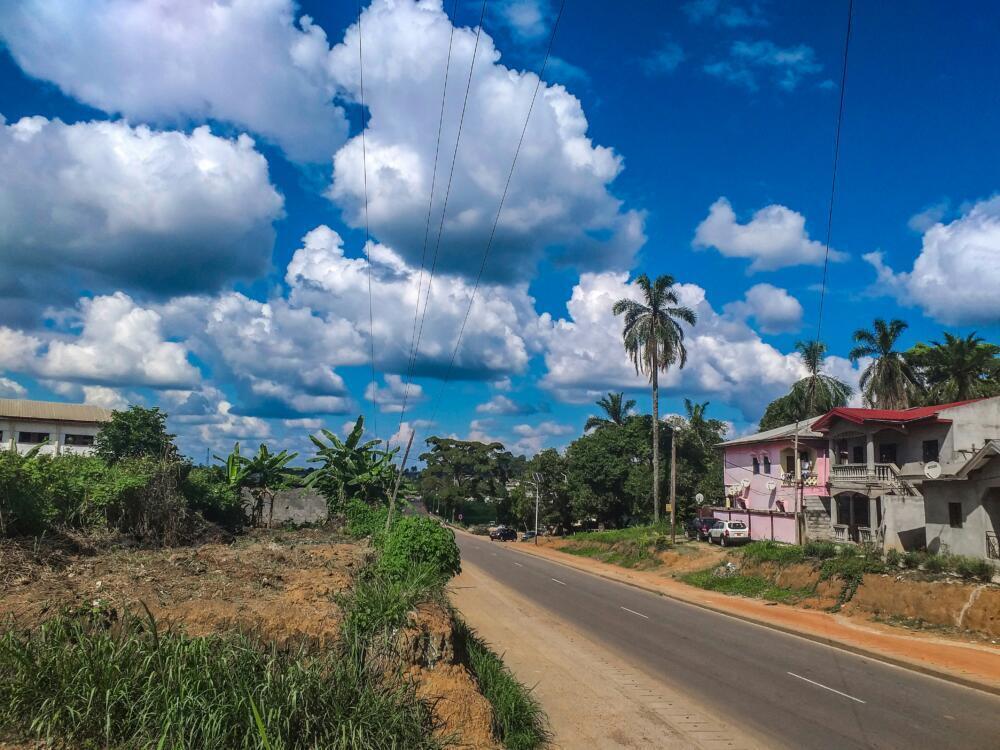
Cameroon is often called “Africa in Miniature” because it contains many of the landscapes, cultures, climates, and ecosystems found across the African continent. Located in Central Africa, Cameroon is a country of remarkable diversity, featuring tropical rainforests, mountains, savannas, beaches, deserts, and vibrant cities. Its rich cultural heritage, abundant wildlife, and strategic location have made it one of the most fascinating nations in Africa.
From the volcanic peaks of Mount Cameroon to the dense jungles inhabited by gorillas and elephants, Cameroon offers a unique blend of natural beauty and cultural richness that reflects the diversity of the African continent itself.
Geography and Location
Cameroon is situated in Central Africa and shares borders with Nigeria to the west, Chad to the northeast, the Central African Republic to the east, and Equatorial Guinea, Gabon, and the Republic of the Congo to the south. The country also has a coastline along the Gulf of Guinea, part of the Atlantic Ocean.
Covering approximately 475,000 square kilometers, Cameroon features an extraordinary variety of landscapes. The southern region contains dense tropical rainforests, while the northern areas gradually transition into dry savannas and semi-arid lands.
One of the country's most famous geographical features is Mount Cameroon, an active volcano rising over 4,000 meters above sea level. It is the highest mountain in West and Central Africa and remains one of the country's most iconic landmarks.
Numerous rivers, including the Sanaga, Benue, and Logone, provide water resources that support agriculture, transportation, and hydroelectric power generation.
Climate
Because of its geographical diversity, Cameroon experiences several different climate zones.
The southern part of the country has an equatorial climate characterized by high temperatures, humidity, and abundant rainfall throughout much of the year. These conditions support dense tropical forests rich in biodiversity.
The central plateau enjoys a milder climate due to its higher elevation. Meanwhile, northern Cameroon experiences a tropical savanna climate with distinct wet and dry seasons. The far north approaches semi-arid conditions similar to those found in the Sahel region.
Temperatures vary significantly depending on altitude and location, but generally range between 20°C and 35°C (68°F to 95°F) throughout much of the country.
Historical Background
The territory that is now Cameroon has been inhabited for thousands of years. Various ethnic groups and kingdoms developed across the region long before European contact.
Portuguese explorers arrived on the coast in the fifteenth century and named the area after the abundance of shrimp found in local rivers. The name "Cameroon" derives from the Portuguese word "Camarões," meaning shrimp.
During the late nineteenth century, Cameroon became a German colony known as Kamerun. Following Germany's defeat in World War I, the territory was divided between Britain and France under mandates administered by the League of Nations.
French Cameroon gained independence in 1960, while part of British Cameroon joined the new nation in 1961. This historical division contributed to the country's bilingual character, which remains evident today.
People and Cultural Diversity
Cameroon is one of Africa's most culturally diverse countries. More than 250 ethnic groups live within its borders, each with unique languages, traditions, customs, and cultural practices.
The country's official languages are French and English, reflecting its colonial history. French is spoken by the majority of the population, while English is primarily used in the western regions.
In addition to the official languages, hundreds of indigenous languages are spoken throughout the country. This linguistic diversity makes Cameroon one of the most multilingual nations in Africa.
Family and community relationships play central roles in daily life. Respect for elders, strong social bonds, and community cooperation are highly valued across many cultural groups.
Traditions and Customs
Cameroon's cultural traditions vary significantly between regions, but hospitality remains a common characteristic throughout the country.
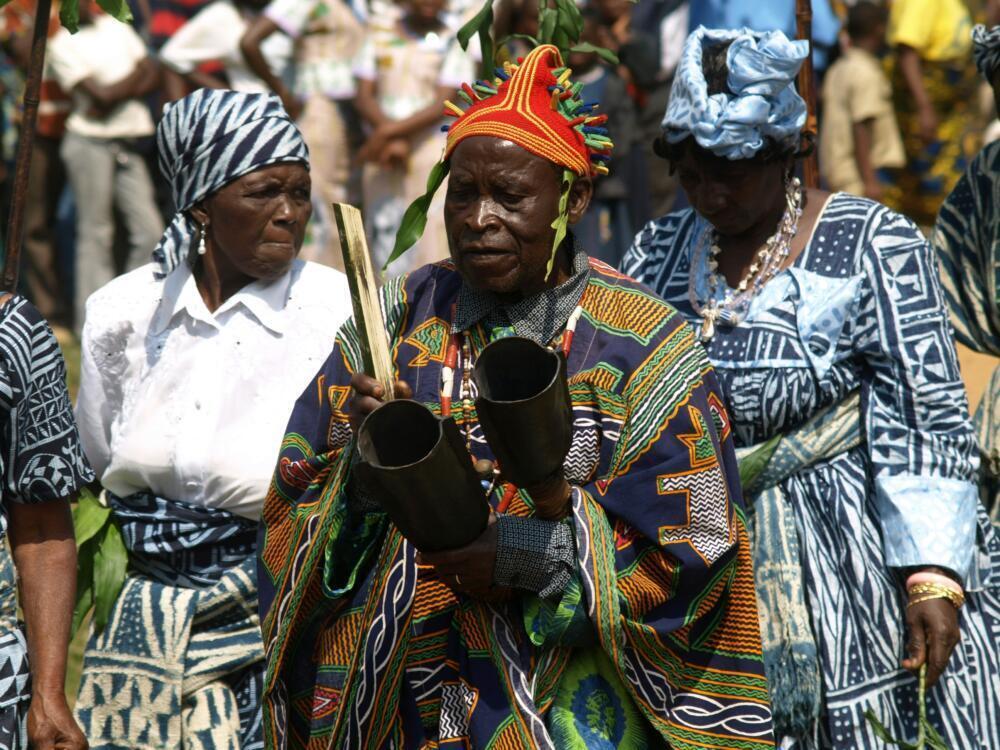
Traditional ceremonies mark important life events such as births, marriages, harvests, and religious celebrations. Music, dance, colorful clothing, and communal meals often accompany these occasions.
Many communities maintain traditional leadership structures, including chiefs and kings who continue to hold important cultural and ceremonial roles.
Artistic expression is highly valued. Wood carving, mask making, weaving, beadwork, and sculpture are important traditional crafts that reflect local beliefs and cultural heritage.
The western Grassfields region is particularly famous for its elaborate royal traditions and impressive artistic achievements.
Music and Dance
Music and dance are essential aspects of Cameroonian culture. Every region has developed distinctive musical styles that reflect local traditions and histories.
Traditional instruments include drums, xylophones, flutes, harps, and various percussion instruments. Music often accompanies ceremonies, festivals, and social gatherings.
Cameroon has also made significant contributions to modern African music. Genres such as makossa and bikutsi originated in the country and gained international popularity.
Makossa, which emerged from the coastal city of Douala, became especially influential during the twentieth century and inspired musicians across Africa and beyond.
Cameroonian Cuisine
Cameroonian cuisine is as diverse as the country itself. Different regions feature unique ingredients and cooking techniques influenced by local traditions and available resources.
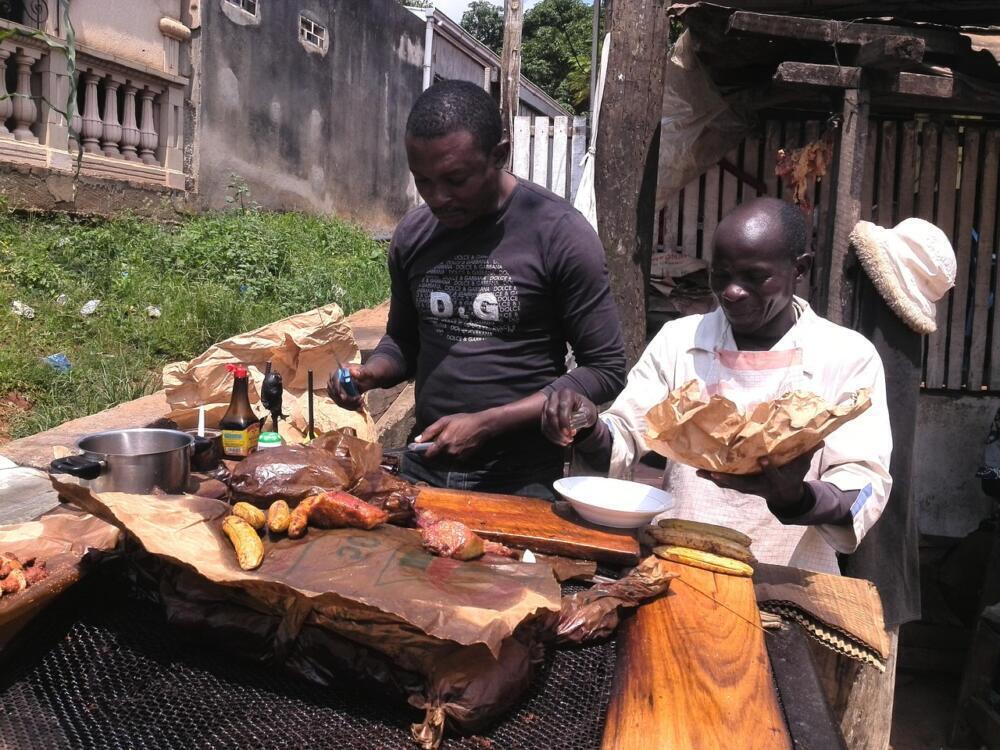
Staple foods include cassava, maize, rice, yams, plantains, and cocoyams. These are often served with sauces, stews, and grilled meats.
One popular dish is ndolé, a flavorful meal made from bitter leaves, peanuts, and meat or fish. Another favorite is eru, a vegetable-based dish commonly enjoyed in western regions.
Fresh fish and seafood are important along the coast, while inland communities often consume beef, goat, chicken, and locally grown vegetables.
Spices and peppers are widely used, giving many Cameroonian dishes their distinctive flavor.
Economy and Agriculture
Cameroon has one of the most diversified economies in Central Africa. Agriculture remains a major sector and provides employment for a large portion of the population.
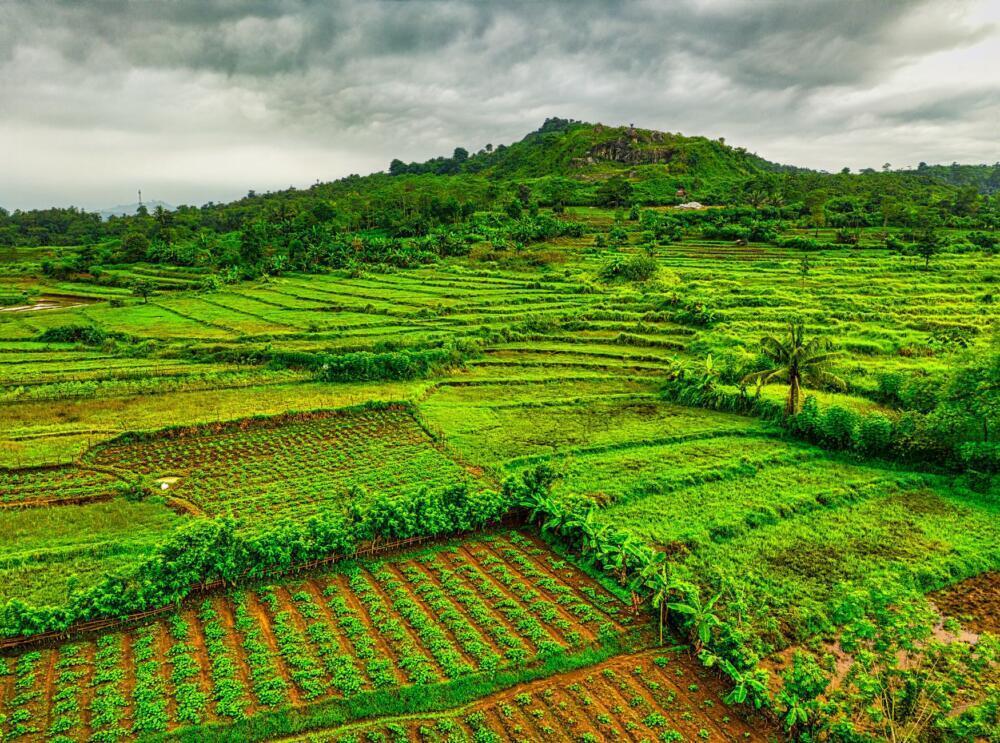
Farmers produce crops such as cocoa, coffee, bananas, cotton, maize, cassava, and palm oil. Cameroon is among Africa's leading producers of cocoa, an important export commodity.
The country also possesses significant natural resources, including oil, natural gas, timber, and various minerals.
Manufacturing, telecommunications, transportation, and financial services have expanded in recent decades, contributing to economic growth and urban development.
Despite these advantages, Cameroon continues to face challenges related to infrastructure, poverty reduction, and regional inequalities.
Wildlife and Natural Wonders
Cameroon is internationally recognized for its biodiversity. The country's diverse ecosystems support a wide range of wildlife species, including elephants, gorillas, chimpanzees, buffaloes, antelopes, and numerous bird species.
One of the most important protected areas is Waza National Park, which is famous for its savanna wildlife and bird populations.
Another significant conservation area is Dja Faunal Reserve, one of Africa's largest and best-preserved tropical rainforests. The reserve provides habitat for endangered species and serves as an important center for biodiversity conservation.
The country's rainforests are among the richest ecosystems on Earth and play a vital role in global environmental health.
Tourism and Attractions
Cameroon offers a variety of attractions for travelers interested in nature, culture, and adventure.
The capital city, Yaoundé, is known for its government institutions, museums, cultural centers, and green hills. Meanwhile, the country's largest city, Douala, serves as the nation's commercial hub and major port.
Adventure seekers can hike Mount Cameroon, explore rainforests, visit traditional villages, or enjoy the country's Atlantic beaches.
Wildlife enthusiasts are attracted by opportunities to observe rare animals in national parks and protected reserves.
Interesting Facts About Cameroon
Cameroon is known as "Africa in Miniature" because it contains many of the continent's major geographical and cultural features.
The country has more than 250 ethnic groups and hundreds of local languages.
Mount Cameroon is one of Africa's largest active volcanoes and has erupted several times in recent history.
Cameroon is one of the world's leading cocoa-producing countries.
Both French and English are official languages, making Cameroon one of Africa's few officially bilingual nations.