
Uganda

Uganda is one of East Africa’s most fascinating countries, celebrated for its breathtaking landscapes, abundant wildlife, rich cultural heritage, and welcoming people. Often referred to as the “Pearl of Africa,” a phrase popularized by British statesman Winston Churchill, Uganda combines lush rainforests, vast savannas, towering mountains, and sparkling lakes within a relatively compact territory. Located at the heart of the African continent, Uganda is a land where traditional cultures coexist with modern development, creating a unique and vibrant national identity.
Geography and Location
Uganda is situated in East Africa and is bordered by South Sudan to the north, Kenya to the east, Tanzania and Rwanda to the south, and the Democratic Republic of the Congo to the west. Although it is a landlocked country, Uganda possesses numerous lakes and rivers that play a crucial role in its economy and environment.
One of Uganda’s most significant geographical features is Lake Victoria, the largest lake in Africa and one of the largest freshwater lakes in the world. The lake serves as an important source of fishing, transportation, and tourism.
Uganda is also home to the source of the White Nile, one of the major tributaries of the Nile River. The country’s landscape includes rolling hills, fertile plains, dense forests, and mountain ranges, making it one of the most geographically diverse nations in Africa.
Climate
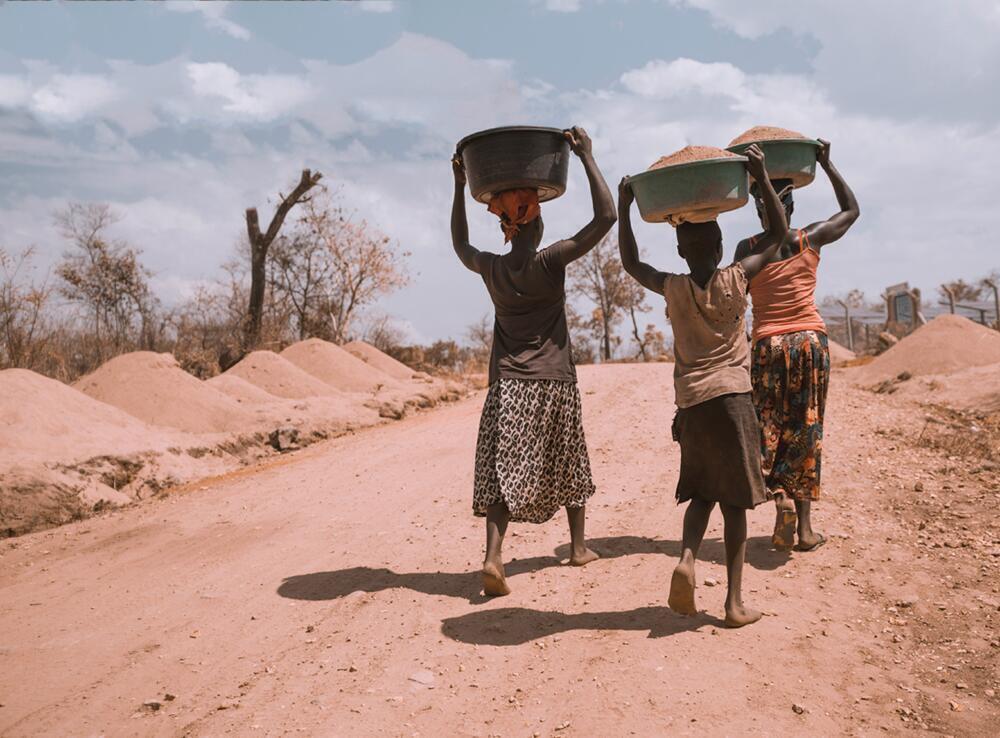
Uganda enjoys a tropical climate that is moderated by its altitude. Unlike many countries located near the equator, Uganda's temperatures are generally pleasant throughout the year.
Most regions experience average temperatures ranging between 20°C and 30°C (68°F to 86°F). The country typically has two rainy seasons, occurring from March to May and from September to November. These rains support agriculture and contribute to Uganda’s lush vegetation.
The climate varies according to elevation. Mountainous regions are cooler, while lower areas tend to be warmer. Overall, Uganda’s favorable climate has earned it a reputation as one of Africa’s most agriculturally productive countries.
Historical Background
The history of Uganda stretches back thousands of years. Long before colonial rule, the region was home to powerful kingdoms and communities that developed sophisticated political systems and trade networks.
Among the most influential historical kingdoms were Buganda, Bunyoro, Toro, and Ankole. These kingdoms played important roles in shaping Uganda’s cultural and political landscape. The Kingdom of Buganda, in particular, remains highly influential today.
European explorers arrived in the nineteenth century, followed by British colonial administration. Uganda became a British protectorate in 1894 and eventually gained independence on October 9, 1962.
Since independence, Uganda has experienced periods of political instability as well as significant progress in economic development, education, and infrastructure. Today, the country continues to work toward greater prosperity and stability.
People and Culture
Uganda is home to more than 45 million people and boasts remarkable ethnic and cultural diversity. More than 50 ethnic groups live within the country, each with its own language, traditions, and customs.
English and Swahili are the official languages, while many local languages are widely spoken. Luganda is among the most commonly used indigenous languages.
Religion plays an important role in Ugandan society. Christianity is the dominant faith, followed by Islam and traditional African beliefs. Religious communities often contribute significantly to education, healthcare, and social services.
Ugandans are widely known for their friendliness and hospitality. Visitors frequently remark on the warmth and kindness they encounter throughout the country.
Traditions and Customs
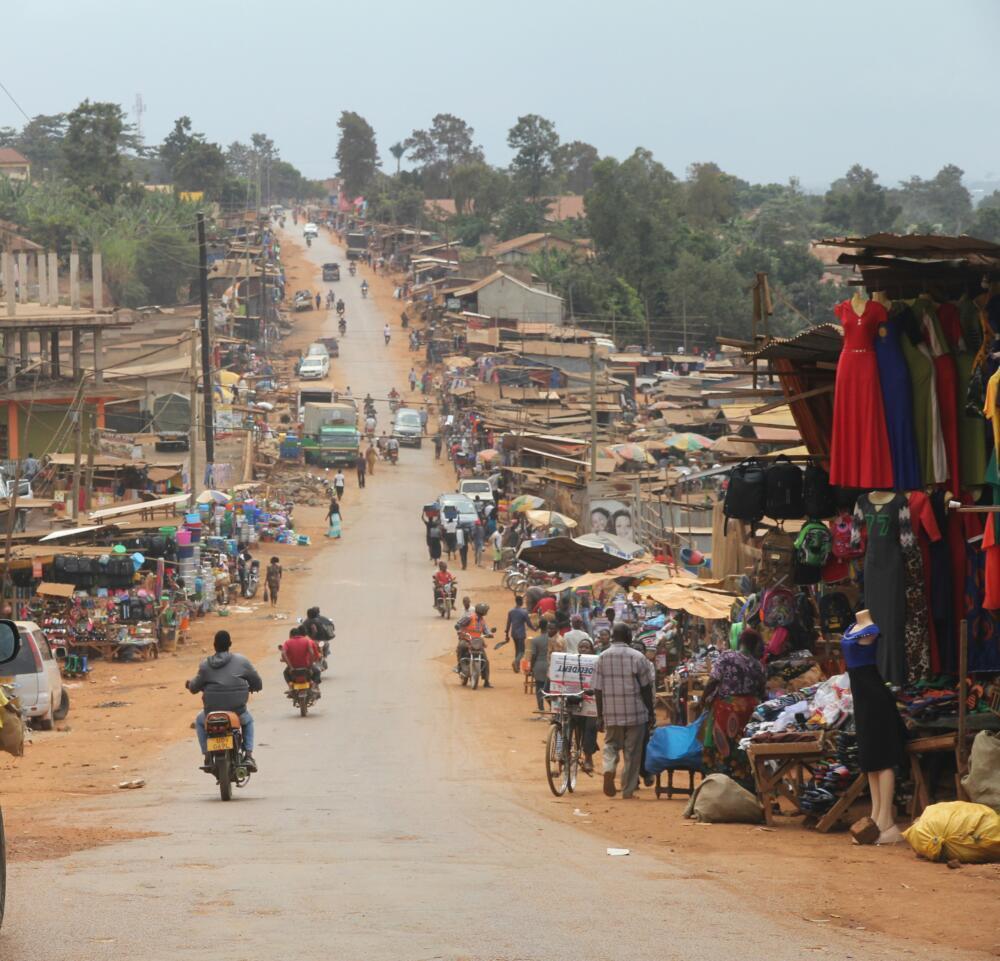
Family and community are central to Ugandan life. Extended families often maintain close relationships, and community cooperation is highly valued.
Respect for elders is deeply ingrained in many Ugandan cultures. Younger individuals are expected to greet older people respectfully and seek their advice on important matters.
Traditional ceremonies continue to play a significant role in social life. Weddings, naming ceremonies, initiation rites, and cultural festivals often involve music, dancing, storytelling, and communal feasting.
Many communities maintain traditional leadership structures alongside modern government institutions. Cultural kings and chiefs continue to serve as important symbols of heritage and identity.
Music and Dance
Music and dance are integral parts of Ugandan culture. Different regions have developed distinct musical styles that reflect local histories and traditions.
Traditional instruments include drums, xylophones, harps, flutes, and stringed instruments. Drumming, in particular, occupies a special place in many ceremonies and celebrations.
Modern Ugandan musicians blend traditional sounds with contemporary genres such as pop, hip-hop, reggae, and Afrobeat. Music serves not only as entertainment but also as a means of preserving cultural heritage.
Ugandan Cuisine
Ugandan cuisine reflects the country's agricultural abundance. Many meals are based on locally grown crops and fresh ingredients.
One of the most popular staple foods is matoke, a dish made from steamed green bananas. It is commonly served with meat, beans, groundnut sauce, or vegetables.
Other traditional foods include cassava, sweet potatoes, millet, rice, and maize. Beans are an important source of protein and are frequently included in daily meals.
A popular street food known as the "Rolex" consists of an omelet rolled inside a chapati. Despite its name, it has no connection to luxury watches and has become a favorite snack among locals and visitors alike.
Tea and coffee are widely consumed throughout the country. Uganda is also one of Africa’s leading coffee producers, exporting high-quality beans to international markets.
Economy and Agriculture
Agriculture remains the backbone of Uganda’s economy. A large portion of the population is engaged in farming, producing crops such as coffee, tea, bananas, maize, sugarcane, and cotton.
Coffee is Uganda’s most important export product and contributes significantly to national income. The country's fertile soils and favorable climate support agricultural production throughout much of the year.
In addition to agriculture, Uganda has growing sectors in manufacturing, telecommunications, tourism, and services. The discovery of oil reserves has also generated interest in future economic opportunities.
Despite progress, Uganda continues to face challenges related to infrastructure, poverty reduction, and employment creation.
Wildlife and Natural Wonders
Uganda is internationally renowned for its extraordinary biodiversity. The country contains a variety of ecosystems that support an impressive range of wildlife.
One of the most famous attractions is Bwindi Impenetrable National Park, home to nearly half of the world's remaining mountain gorillas. Gorilla trekking has become one of Uganda’s most sought-after tourist experiences.
Another iconic destination is Murchison Falls National Park, where the Nile River squeezes through a narrow gorge before plunging dramatically into a powerful waterfall.
Visitors can also encounter elephants, lions, leopards, giraffes, buffaloes, chimpanzees, hippos, crocodiles, and hundreds of bird species throughout Uganda’s protected areas.
The country is considered one of the best birdwatching destinations in the world, with more than 1,000 recorded bird species.
Tourism and Attractions
Uganda offers a wide range of tourism experiences. Nature enthusiasts can explore national parks, forests, lakes, and mountains, while cultural travelers can learn about the traditions of various ethnic communities.
The capital city, Kampala, serves as the country's economic and cultural center. It features lively markets, museums, restaurants, and historical landmarks.
Adventure tourism is also growing in popularity. Activities such as white-water rafting on the Nile, mountain climbing, hiking, wildlife safaris, and boat cruises attract visitors from around the world.
Interesting Facts About Uganda
Uganda lies directly on the Equator, and visitors can stop at several markers indicating the line that divides the Northern and Southern Hemispheres.
The country is one of the world's leading producers of coffee and among Africa's top agricultural exporters.
Uganda hosts nearly half of the global population of mountain gorillas, making it one of the most important destinations for wildlife conservation.
The source of the White Nile is located near the city of Jinja, making Uganda a key part of one of the world’s most famous river systems.