
Sudan

Sudan is one of Africa’s most fascinating countries, known for its rich history, cultural diversity, and remarkable landscapes. Located in northeastern Africa, Sudan occupies a strategic position between the Arab world and Sub-Saharan Africa. Throughout its long history, the country has served as a crossroads of civilizations, trade routes, and cultural influences. From ancient pyramids and desert landscapes to the fertile banks of the Nile River, Sudan offers a unique blend of natural beauty and historical significance.
Geography and Location
Sudan is bordered by Egypt to the north, Libya to the northwest, Chad to the west, the Central African Republic to the southwest, South Sudan to the south, Ethiopia to the southeast, and Eritrea to the east. The country covers a vast territory characterized by deserts, savannas, mountains, and river valleys.
One of Sudan’s most important geographical features is the Nile River. The Blue Nile and White Nile meet in the capital city, Khartoum, creating one of the most significant river systems in Africa. The Nile provides water for agriculture, transportation, and daily life, making it essential to the country's development.
The northern part of Sudan is dominated by the Sahara Desert, while the central and southern regions feature grasslands and more fertile lands suitable for farming and livestock raising.
Climate
Sudan experiences a predominantly hot and dry climate. Temperatures can be extremely high, particularly in desert regions where summer temperatures often exceed 40°C (104°F). Rainfall varies significantly across the country.
Northern Sudan receives very little rain and is largely arid. Central regions experience seasonal rainfall, while southern areas receive more precipitation during the rainy season, which generally occurs between June and September. These climatic differences influence agriculture, settlement patterns, and local lifestyles.
Due to climate change and environmental challenges, Sudan has faced issues such as desertification, droughts, and water management concerns in recent decades.
A Rich Historical Heritage
Sudan possesses one of the oldest histories in Africa. The region was home to the ancient Kingdom of Kush, a powerful civilization that flourished along the Nile River thousands of years ago. The Kushites developed advanced societies, built impressive monuments, and even ruled Egypt during the Twenty-Fifth Dynasty.
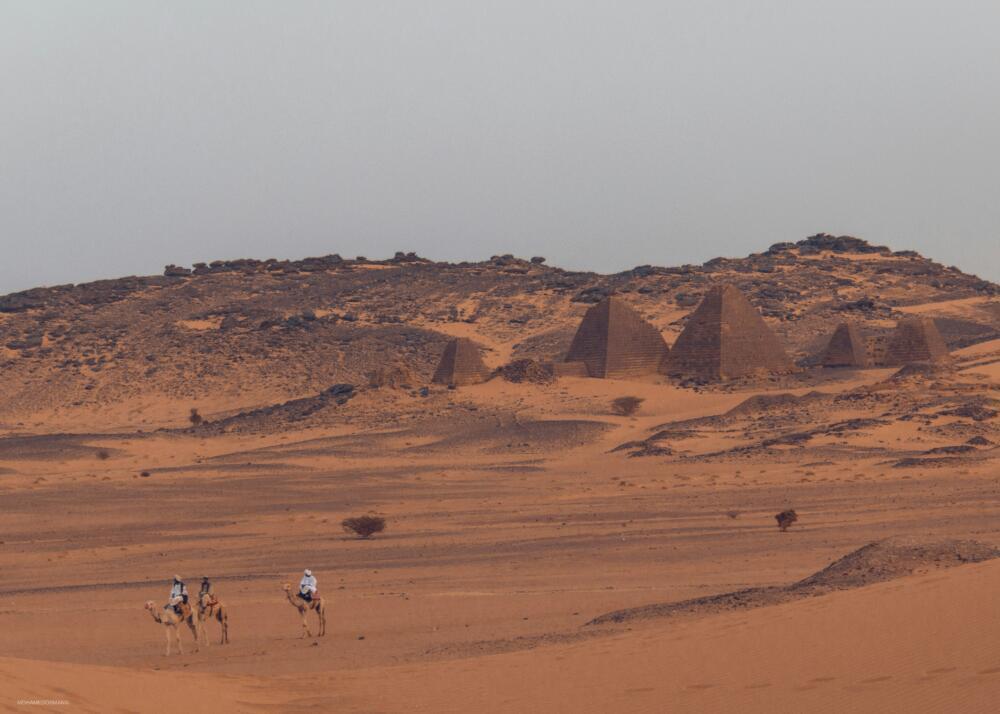
One of Sudan’s most remarkable historical treasures is the collection of ancient pyramids found at Meroë. Surprisingly, Sudan has more pyramids than Egypt, although they are generally smaller in size. These structures were built as royal tombs and continue to attract archaeologists and historians from around the world.
Throughout its history, Sudan has been influenced by African kingdoms, Arab traders, Islamic scholars, and colonial powers. This combination of influences has contributed to the country’s unique cultural identity.
People and Culture
Sudan is home to a highly diverse population composed of numerous ethnic groups, languages, and cultural traditions. Arabic is the official language and is widely spoken throughout the country. Various indigenous languages are also spoken by different communities.
Islam is the dominant religion, and Islamic traditions play an important role in daily life, social customs, and public celebrations. However, Sudan’s cultural landscape reflects a blend of African and Arab influences that can be seen in music, clothing, cuisine, and family traditions.
Hospitality is highly valued in Sudanese society. Visitors are often welcomed warmly and offered tea, coffee, or food as a sign of respect and friendship. Family relationships are central to social life, and extended families often maintain close connections.
Traditional clothing remains popular in many areas. Sudanese women commonly wear a colorful garment known as a "tobe," while men often wear long white robes called "jalabiya."
Sudanese Customs and Traditions
Respect for elders is a fundamental value in Sudanese culture. Younger people are expected to show courtesy and deference to older family members and community leaders.
Social gatherings frequently revolve around food, tea, and conversation. Sudanese tea culture is particularly important, with tea vendors commonly found in cities and towns serving various flavored teas.
Music and dance also play significant roles in celebrations and cultural events. Traditional songs often feature drums, string instruments, and rhythmic singing that reflect regional identities and historical experiences.
Religious holidays such as Eid al-Fitr and Eid al-Adha are widely celebrated and bring families and communities together for prayer, feasting, and charitable activities.
Sudanese Cuisine
Sudanese cuisine reflects the country’s agricultural resources and cultural diversity. Many dishes are based on grains, vegetables, meat, and legumes.
One of the most common foods is "kisra," a thin fermented bread made from sorghum. It is often served with stews containing meat, vegetables, or beans. Another popular dish is "ful medames," a preparation of cooked fava beans seasoned with spices and often eaten for breakfast.
Lamb, beef, and chicken are commonly consumed, while fish is popular in regions near rivers and lakes. Spices are generally used moderately compared to some neighboring countries, allowing the natural flavors of ingredients to stand out.
Coffee and tea are important parts of daily life. Traditional coffee ceremonies and tea gatherings serve as opportunities for social interaction and hospitality.
Economy and Livelihoods
Agriculture remains one of Sudan’s most important economic sectors. Farmers cultivate crops such as sorghum, millet, wheat, sesame, peanuts, and cotton. Livestock farming is also widespread, with cattle, sheep, goats, and camels playing crucial economic roles.
Sudan possesses significant natural resources, including gold, oil, and various minerals. Gold mining has become an increasingly important source of income in recent years.
Despite its natural wealth, Sudan has faced numerous economic challenges, including political instability, inflation, infrastructure limitations, and international sanctions in the past. Economic reforms and investment remain important topics for the country’s future development.
Tourism and Attractions
Although Sudan is not yet a major international tourist destination, it offers many remarkable attractions for adventurous travelers and history enthusiasts.
The ancient archaeological site of Meroë Pyramids is perhaps the country's most famous landmark. These well-preserved pyramids stand in the desert and provide a fascinating glimpse into the Kingdom of Kush.
The capital city, Khartoum, is located at the confluence of the Blue Nile and White Nile. Visitors can explore museums, markets, and historical sites while experiencing the energy of modern Sudanese life.
Other attractions include the Red Sea coastline, desert landscapes, traditional villages, and wildlife areas that support diverse species of birds and mammals.

Interesting Facts About Sudan
Sudan is home to more pyramids than Egypt, making it one of the world's most important archaeological regions.
The meeting point of the Blue Nile and White Nile in Khartoum is known as the "Confluence of the Niles" and represents a significant geographical landmark.
Camels remain an important means of transportation and economic activity in many rural and desert regions.
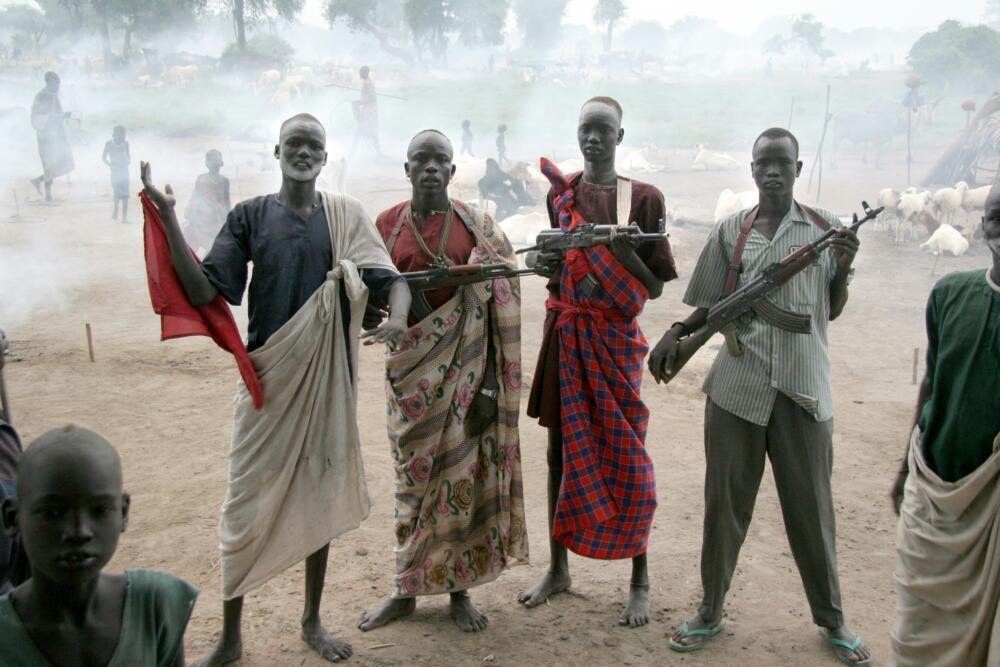
Sudan’s cultural diversity includes hundreds of tribal and ethnic communities, each contributing unique traditions, languages, and customs to the national identity.