
Yemen

Yemen is one of the oldest inhabited regions in the world, a country whose history stretches back thousands of years. Located at the southern tip of the Arabian Peninsula, Yemen has long served as a bridge between Africa, the Middle East, and Asia. Throughout its history, it has been known for its prosperous kingdoms, strategic trade routes, distinctive architecture, and vibrant cultural traditions. Despite the challenges it has faced in recent decades, Yemen remains a country of remarkable historical significance and cultural richness.
Geography and Location
Yemen is situated in the southwestern corner of the Arabian Peninsula. It shares borders with Saudi Arabia to the north and Oman to the east, while its southern and western coastlines are bordered by the Arabian Sea, the Gulf of Aden, and the Red Sea.
The country's location has made it strategically important for centuries. The Bab el-Mandeb Strait, which separates Yemen from the Horn of Africa, is one of the world's most important maritime routes, connecting the Red Sea to the Indian Ocean.
Yemen's landscape is surprisingly diverse. While many people associate the Arabian Peninsula with deserts, Yemen features mountains, fertile valleys, coastal plains, and islands. The western highlands contain some of the highest peaks in Arabia, while vast desert regions dominate the eastern part of the country.
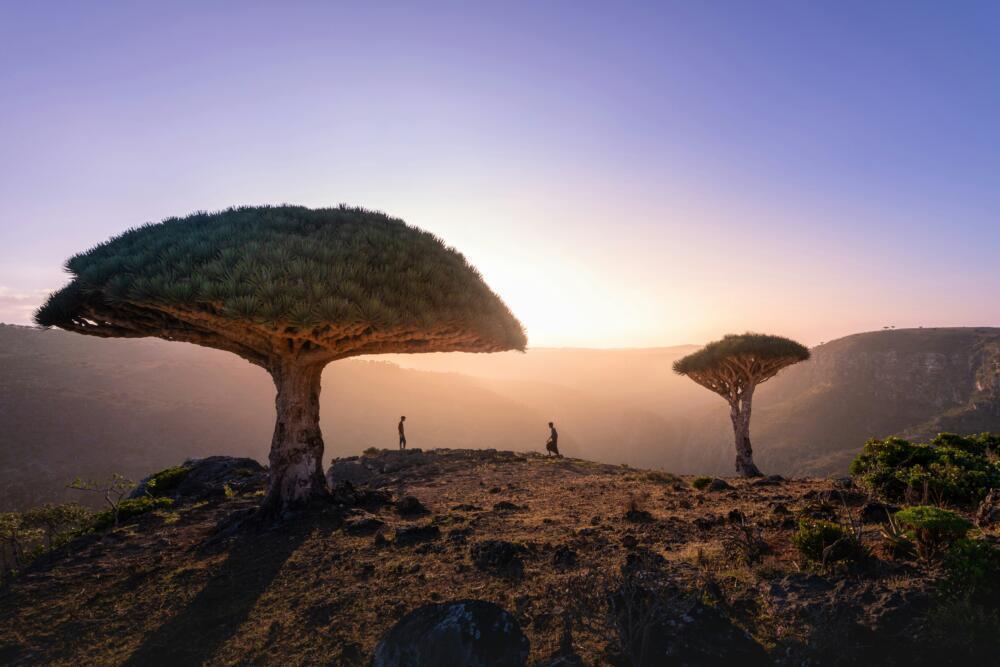
One of Yemen's most famous territories is Socotra, an island known for its extraordinary biodiversity and unique plant species found nowhere else on Earth.
Climate
Yemen experiences several climatic zones due to its varied geography. Coastal areas are generally hot and humid throughout the year, while inland desert regions experience extremely high temperatures and limited rainfall.
The mountainous highlands enjoy a more moderate climate. Cities located at higher elevations often experience cooler temperatures, making them more comfortable than many parts of the Arabian Peninsula.
Rainfall is relatively scarce in most regions, but the western mountains receive seasonal precipitation that supports agriculture and traditional terrace farming. These terraced landscapes are among Yemen's most striking visual features and have been cultivated for centuries.
Ancient History and Civilization
Yemen possesses one of the richest historical legacies in the Middle East. In ancient times, the region was home to powerful kingdoms that flourished through trade and agriculture.
Among the most famous was the Kingdom of Saba, often associated with the legendary Queen of Sheba mentioned in various religious and historical traditions. The kingdom became wealthy through the trade of frankincense, myrrh, spices, and other valuable goods that traveled along ancient trade routes connecting Arabia, Africa, and the Mediterranean world.
Other important ancient kingdoms included Himyar, Qataban, Hadramawt, and Ma'in. These civilizations developed sophisticated irrigation systems, impressive architecture, and thriving commercial networks.
Islam arrived in Yemen during the lifetime of the Prophet Muhammad in the seventh century, and the country quickly became an important center of Islamic culture and learning.
People and Culture
Yemen's population reflects centuries of interaction between Arab tribes, traders, and neighboring civilizations. Arabic is the official language and is spoken throughout the country, although regional dialects vary considerably.
Family plays a central role in Yemeni society. Strong family ties, loyalty to relatives, and respect for elders are among the most important social values. Extended families often maintain close relationships and provide support across generations.
Hospitality is deeply ingrained in Yemeni culture. Guests are typically welcomed warmly and offered food, tea, coffee, or other refreshments. Refusing hospitality can sometimes be considered impolite.
Traditional customs remain influential in many aspects of daily life, particularly in rural areas where ancient cultural practices continue to be preserved.
Traditional Architecture
One of Yemen's most remarkable cultural treasures is its architecture. The country is famous for its distinctive multi-story mud-brick and stone buildings that have survived for centuries.
The historic city of Sana'a is renowned for its unique architecture. Its old city contains thousands of decorated tower houses adorned with intricate geometric patterns and white gypsum details. Many of these structures are several hundred years old and remain inhabited today.
Another architectural masterpiece is Shibam, often called the "Manhattan of the Desert." The city features towering mud-brick buildings that rise several stories high and represent one of the earliest examples of urban vertical construction.
These architectural traditions demonstrate the ingenuity of Yemeni builders, who adapted local materials to create durable and visually striking structures.
Customs and Traditions
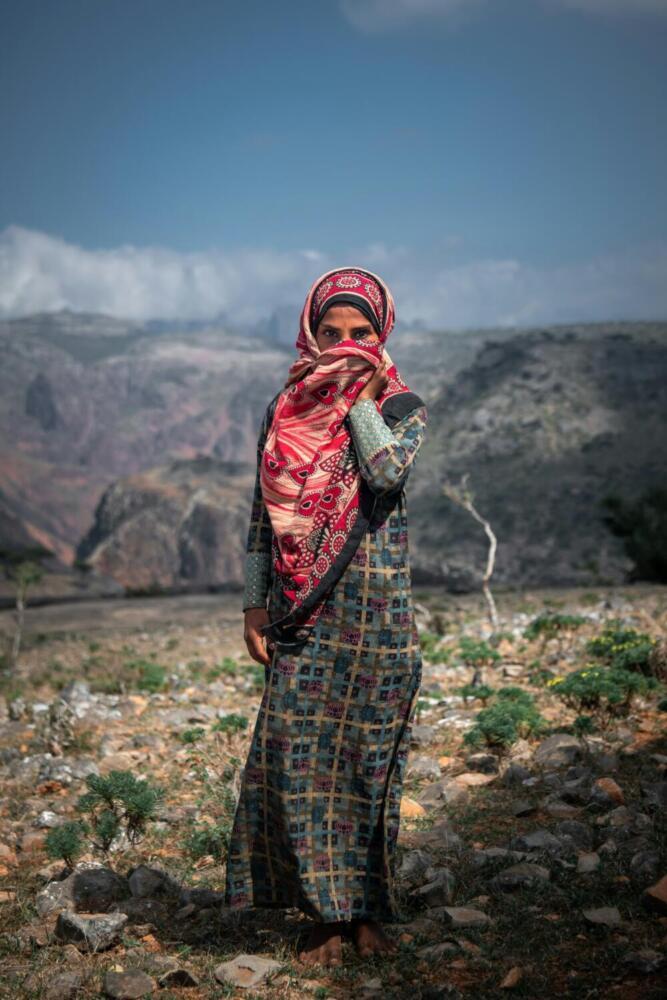
Respect, honor, and hospitality are fundamental aspects of Yemeni social life. Greetings are often elaborate and involve inquiries about family and well-being.
Traditional clothing remains common in many parts of the country. Men frequently wear long robes and may carry a decorative curved dagger known as a jambiya, which symbolizes cultural heritage and social identity rather than serving as a weapon in everyday life.
Social gatherings often revolve around family events, religious celebrations, and community activities. Storytelling, poetry, and oral traditions continue to play an important role in preserving cultural history.
Religious holidays such as Eid al-Fitr and Eid al-Adha are widely celebrated with prayers, family gatherings, and festive meals.
Yemeni Cuisine
Yemeni cuisine reflects the country's history as a crossroads of trade and cultural exchange. Traditional dishes often feature aromatic spices, grains, meat, and legumes.
One of the most popular national dishes is saltah, a hearty stew often served with bread. Another favorite is mandi, a flavorful rice and meat dish cooked using traditional methods that enhance its distinctive taste.
Freshly baked flatbreads accompany many meals and are often used to scoop up stews and sauces. Honey is highly prized in Yemen, and Yemeni honey is considered among the finest in the world.
Coffee also holds special historical significance. The port city of Mocha became famous centuries ago as a major center for the coffee trade. The term "mocha" used today in coffee culture originates from this Yemeni connection.
Tea and coffee are commonly served during social visits and family gatherings.
Economy and Livelihoods
Historically, agriculture and trade formed the foundation of Yemen's economy. Farmers cultivated crops such as coffee, fruits, grains, and vegetables on mountain terraces that maximized the use of limited arable land.
Fishing is also important in coastal regions, where communities rely on the Red Sea and Arabian Sea for their livelihoods.
Yemen possesses natural resources including oil and natural gas, which have contributed significantly to national income. However, economic development has been affected by political instability, infrastructure challenges, and ongoing conflicts.
Many Yemenis continue to depend on agriculture, small businesses, and traditional crafts for their livelihoods.
Natural Beauty and Attractions
Although Yemen is often associated with its history, the country also possesses remarkable natural landscapes.
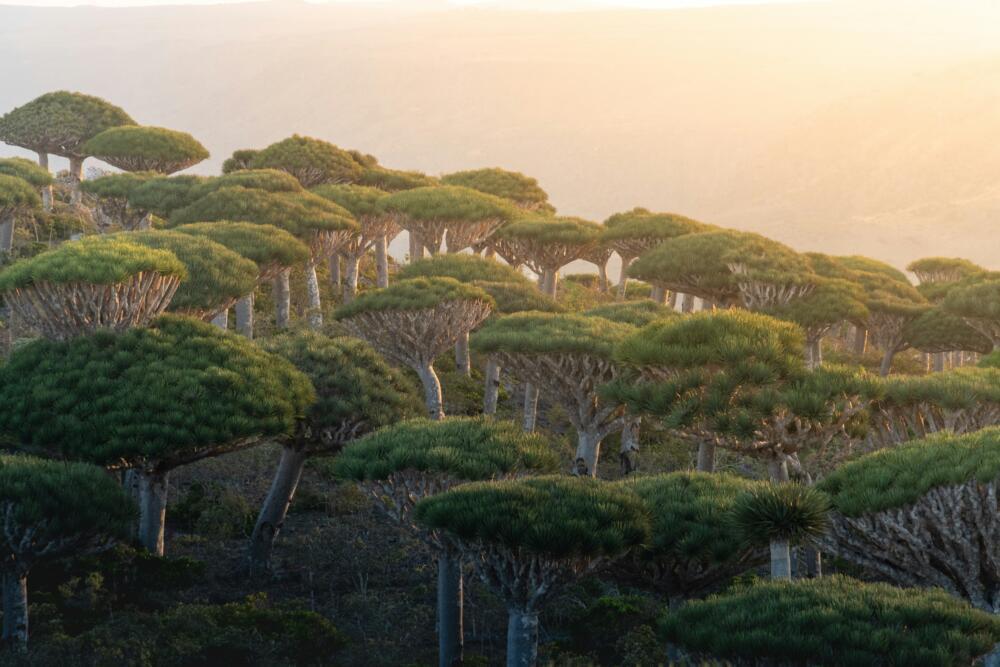
The island of Socotra is perhaps Yemen's most famous natural attraction. Its unusual ecosystems have led scientists to describe it as one of the most biologically unique places on Earth. The island's iconic Dragon's Blood Tree, with its umbrella-shaped canopy, has become a symbol of Socotra's extraordinary environment.
Yemen's mountains offer dramatic scenery, traditional villages, and agricultural terraces that cling to steep hillsides. Coastal regions provide beautiful beaches and opportunities for marine exploration.
The country's historic cities, ancient ruins, and architectural landmarks attract historians, archaeologists, and travelers interested in cultural heritage.
Interesting Facts About Yemen
Yemen is home to some of the oldest continuously inhabited cities in the world.
The ancient Kingdom of Saba, associated with the Queen of Sheba, was located in what is now Yemen.
The city of Shibam contains some of the world's oldest skyscraper-like buildings constructed from mud brick.
The word "mocha," commonly associated with coffee, originates from the Yemeni port city of Mocha, which was once one of the world's most important coffee trading centers.
Socotra Island contains hundreds of plant and animal species that exist nowhere else on Earth.