
Angola

Angola is one of Africa’s most fascinating and resource-rich nations. Located on the southwestern coast of the continent, the country is known for its vast landscapes, abundant natural resources, diverse cultures, and rich history. From the Atlantic coastline and tropical forests to powerful waterfalls and wildlife reserves, Angola offers an impressive variety of natural attractions. Although the country has faced significant challenges throughout its history, it has made considerable progress in rebuilding and developing its economy, infrastructure, and tourism sector.
Geography and Location
Angola is situated in Southern Africa and borders Namibia to the south, Zambia to the east, and the Democratic Republic of the Congo to the north and northeast. To the west, Angola enjoys a long coastline along the Atlantic Ocean that stretches for more than 1,600 kilometers (1,000 miles).
The country covers an area of approximately 1.25 million square kilometers, making it one of Africa’s largest nations. Angola’s geography is remarkably diverse, featuring coastal plains, high plateaus, tropical forests, rivers, savannas, and mountain ranges.
One unique geographical feature is the province of Cabinda, an exclave separated from the rest of Angola by a narrow strip of territory belonging to the Democratic Republic of the Congo. Cabinda is particularly important because of its significant oil reserves.
Several major rivers flow through Angola, including the Cuanza, Cubango, and Cunene rivers. These waterways are essential for agriculture, hydroelectric power generation, and transportation.
Climate
Angola experiences a variety of climatic conditions due to its size and geographical diversity. The coastal region generally has a tropical climate influenced by the cold Benguela Current, which helps moderate temperatures and reduces rainfall.
The central plateau enjoys a more temperate climate with cooler temperatures due to its higher elevation. Northern regions receive more rainfall and support dense vegetation, while southern areas are drier and closer to desert conditions.
The rainy season typically occurs between October and April, while the dry season extends from May to September. These seasonal patterns play an important role in agriculture and water availability throughout the country.
Historical Background
The history of Angola dates back thousands of years. Before European contact, the region was home to several powerful African kingdoms, including the Kingdom of Kongo, the Kingdom of Ndongo, and the Kingdom of Matamba.
Portuguese explorers arrived in the late fifteenth century, and Angola eventually became one of Portugal’s most important overseas colonies. For centuries, the territory played a major role in the transatlantic slave trade, with millions of Africans being forcibly transported to the Americas.
Angola gained independence from Portugal on November 11, 1975. However, independence was followed by a prolonged civil war that lasted for nearly three decades and significantly affected the country’s development.
Since the end of the conflict in 2002, Angola has focused on reconstruction, economic growth, and modernization. New roads, schools, hospitals, and infrastructure projects have transformed many parts of the country.
People and Culture
Angola is home to more than 35 million people and features a rich blend of ethnic groups, languages, and traditions. The largest ethnic communities include the Ovimbundu, Mbundu, and Bakongo peoples, among many others.
Portuguese is the official language and serves as the primary language of government, education, and business. Angola is one of the largest Portuguese-speaking countries in the world. In addition to Portuguese, numerous indigenous languages are spoken throughout the country, including Umbundu, Kimbundu, and Kikongo.
Family plays a central role in Angolan society. Strong family ties and community support networks are important aspects of daily life. Respect for elders is highly valued, and many traditional customs continue to influence social interactions.
Traditions and Customs
Angola’s cultural traditions reflect both African heritage and Portuguese influences. Festivals, ceremonies, and community gatherings often feature music, dance, colorful clothing, and traditional foods.
Storytelling remains an important way of preserving history and cultural knowledge. Folktales, proverbs, and oral traditions are passed from generation to generation, helping maintain cultural identity.
Traditional ceremonies related to births, marriages, and community celebrations continue to be practiced in many regions, particularly in rural areas.
Hospitality is an important cultural value. Visitors are often welcomed warmly and invited to share meals and conversations with local families.
Music and Dance
Music occupies a special place in Angolan culture. The country has produced internationally recognized musical styles that have influenced artists around the world.
One of the most famous genres is semba, a lively style characterized by rhythmic dance movements and vibrant melodies. Semba is often considered one of the cultural foundations of Brazilian samba, highlighting the historical connections between Angola and Brazil.
Another popular genre is kizomba, a smooth and romantic dance music style that originated in Angola and has gained international popularity. Today, kizomba is danced in many countries across Europe, Africa, and the Americas.
Traditional drumming, singing, and dancing continue to play essential roles in ceremonies and cultural events throughout the country.

Angolan Cuisine
Angolan cuisine reflects the country’s agricultural resources and cultural diversity. Many dishes are based on fish, meat, beans, vegetables, rice, and cassava.
One of the most popular traditional dishes is muamba de galinha, a chicken stew prepared with palm oil, vegetables, and spices. It is often served with funge, a staple food made from cassava flour or cornmeal.
Seafood is widely consumed along the coast, where fresh fish, shrimp, and crab are readily available. Inland communities rely more heavily on livestock, beans, and locally grown crops.
Tropical fruits such as mangoes, bananas, papayas, and pineapples are abundant and commonly enjoyed throughout the country.
Coffee also has historical importance in Angola, which was once one of the world’s leading coffee producers.
Economy and Natural Resources
Angola possesses some of Africa’s most significant natural resources. Oil is the backbone of the economy and accounts for a large share of export earnings and government revenue. The country ranks among Africa’s leading oil producers.
In addition to petroleum, Angola has substantial reserves of diamonds, gold, iron ore, copper, and other minerals. The mining sector contributes significantly to economic activity.
Agriculture remains important for many rural communities. Major crops include cassava, maize, coffee, sugarcane, bananas, and beans.
The government has increasingly sought to diversify the economy by investing in agriculture, manufacturing, tourism, and renewable energy.
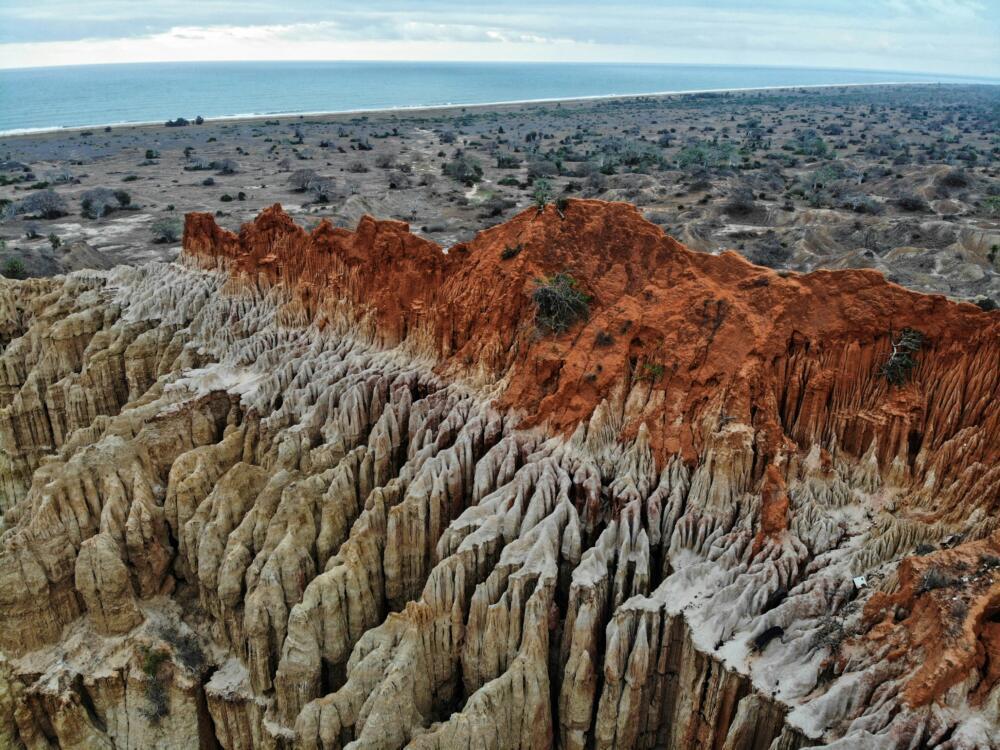
Wildlife and Natural Attractions
Angola is home to diverse ecosystems that support a wide variety of wildlife. National parks and conservation areas protect species such as elephants, antelopes, lions, leopards, zebras, and numerous bird species.
One of the country's most spectacular natural landmarks is Kalandula Falls, one of the largest waterfalls in Africa. The powerful cascade attracts visitors with its impressive beauty and surrounding landscapes.
Another remarkable destination is Kissama National Park, which serves as an important conservation area for wildlife restoration efforts.
The dramatic rock formations of Pedras Negras de Pungo Andongo are among the country's most iconic natural and historical attractions.
Tourism
Although Angola’s tourism industry is still developing, the country offers considerable potential for travelers seeking unique experiences. Visitors can explore pristine beaches, national parks, waterfalls, historic towns, and vibrant cities.
The capital, Luanda, is the country’s economic and cultural center. Located on the Atlantic coast, Luanda combines modern skyscrapers with colonial-era architecture, museums, restaurants, and lively markets.
Adventure tourism opportunities include wildlife safaris, hiking, fishing, cultural tours, and exploration of Angola’s extensive coastline.
Interesting Facts About Angola
Angola is one of the largest Portuguese-speaking countries in the world.
The country possesses some of Africa’s largest oil reserves and is a major exporter of petroleum.
Kizomba, one of the world’s most popular partner dances, originated in Angola.
The giant sable antelope, one of Africa’s rarest antelope species, is found only in Angola and is considered a national symbol.
Angola’s coastline extends for more than 1,600 kilometers, offering numerous beaches and marine environments.