Syria
Syria, officially known as the Syrian Arab Republic, is located in Western Asia, bordered by countries including Turkey to the north, Iraq to the east and southeast, Jordan to the south, and Israel and Lebanon to the west. The Mediterranean Sea borders its western coastline. As of recent estimates, Syria has a population of approximately 21 million people. Most of its population is Arabic-speaking, and Islam is the predominant religion, though there are significant Christian communities as well. The capital city, Damascus, is one of the oldest continuously inhabited cities in the world, adding to the country's rich historical tapestry.
Covering an area of about 185,180 square kilometers, Syria's landscape is characterized by diverse geographical features. It includes fertile plains, high mountains, and deserts. The Euphrates River crosses the country from the northwest to the southeast, providing vital water resources for agriculture. The nation is also home to the Syrian Desert and the coastal Mediterranean range, which harbors the highest peak, Mount Hermon. This varied topography impacts the climate, which ranges from a Mediterranean climate with wet winters and hot, dry summers in the west to a more arid desert climate in the eastern regions.
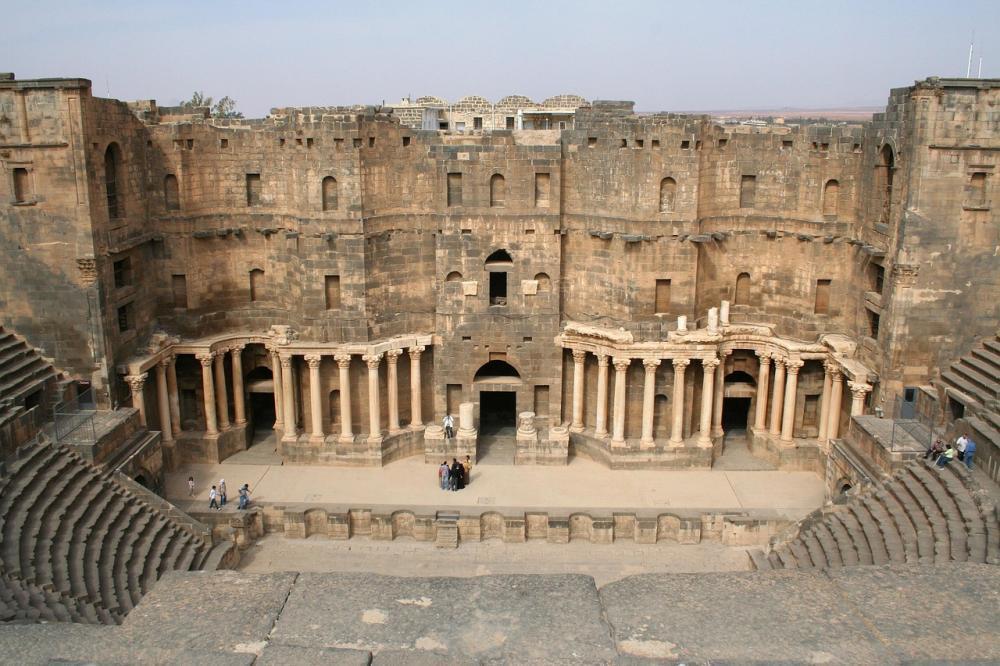
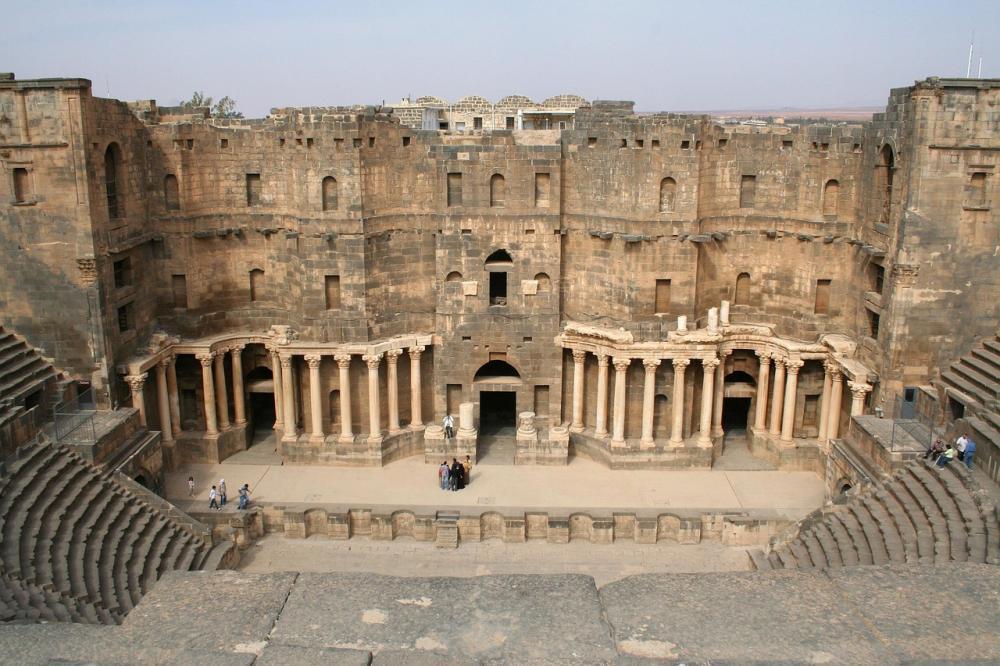
The Syrian climate significantly influences the daily lives and economic activities of its inhabitants, particularly in agriculture, which remains a crucial sector. Crops such as wheat, barley, and cotton are prevalent, while the country is also well-known for the production of olives and various fruits. Despite its current difficulties, Syria’s historical and cultural identity remains a key characteristic. Known as the cradle of civilization, it boasts a wealth of archaeological sites, from ancient cities like Palmyra to the biblical sites of Dura-Europos and the historic city of Aleppo, offering a window into the past.
Syria’s national flag holds symbolic significance. It consists of three horizontal stripes, red at the top, white in the middle with two green stars, and black at the bottom. The colors red, white, and black relate to the Arab Liberation Flag used in several Arab countries, emblematic of the shared history and struggles of the Arab nations. The two green stars originally represented the union between Syria and Egypt. Traditions and customs play a vital role in Syrian society. Family is central to social structures, and hospitality is a deep-seated cultural value. Traditional customs, such as gatherings over coffee or shared meals during festivals like Eid al-Fitr and Eid al-Adha, highlight the importance of social bonds in Syrian life. Despite the challenges it faces, Syria's cultural heritage and social customs continue to be a source of resilience and identity for its people.