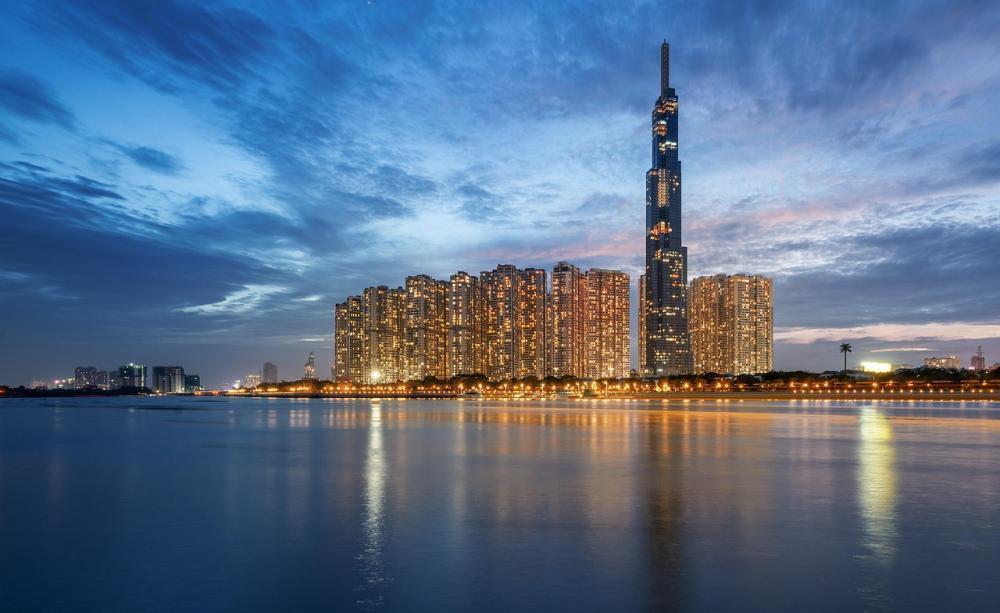
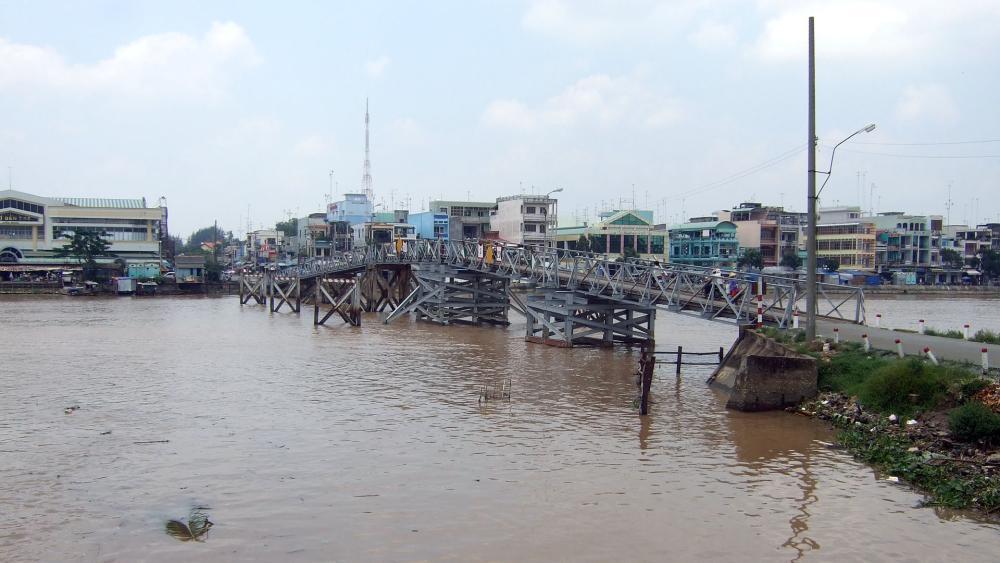
Vietnam
Vietnam is a captivating country located on the eastern edge of the Indochinese Peninsula in Southeast Asia. It is home to a diverse population of approximately 97 million people, making it the 15th most populous country in the world. The cultural richness of Vietnam is reflected in its population, which is predominantly comprised of ethnic Vietnamese but also includes over 50 different ethnic groups, each contributing to the country's vibrant cultural mosaic. Vietnamese is the national language, and the country’s young, dynamic population plays a significant role in shaping its modern socio-economic landscape.
Covering an area of approximately 331,000 square kilometers, Vietnam features a varied landscape that includes mountains, forests, as well as a long coastline that stretches for about 3,260 kilometers from north to south. This diverse topography influences the climate, which is characterized by a tropical monsoon climate in the south and a subtropical climate in the north. The country experiences significant weather variations, from the cool, dry winters and hot, humid summers in the north to a more uniformly warm climate in the south, where temperatures are consistent throughout the year.
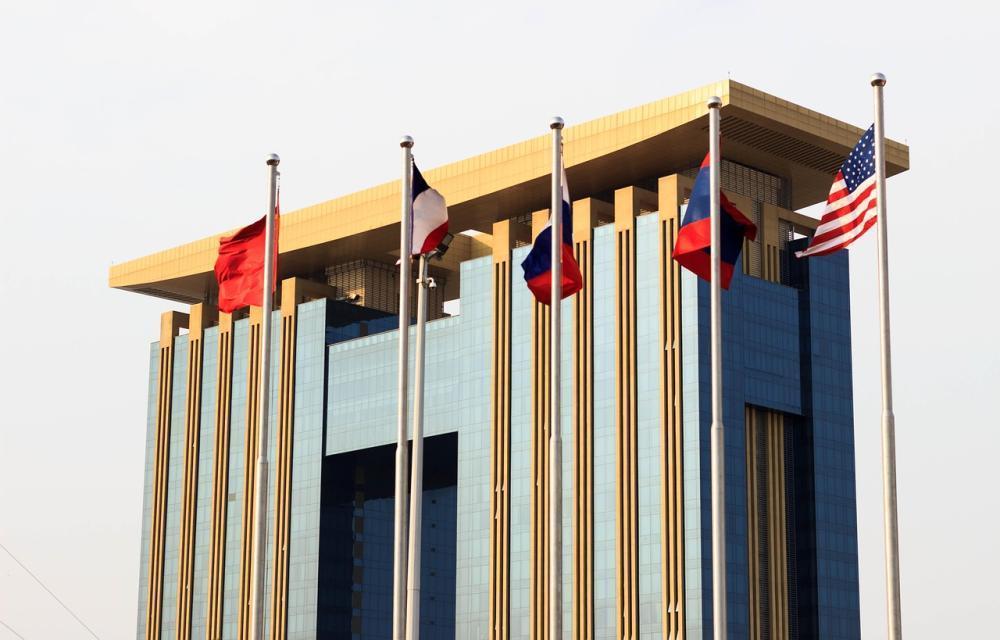
The national flag, a significant symbol of Vietnam's identity, consists of a red background with a large yellow star at its center. The red color represents the bloodshed and sacrifices of the country’s history, particularly during its struggle for independence, while the five-pointed star is emblematic of the unity among workers, peasants, intellectuals, young people, and soldiers, who all contribute to the building of socialism. This flag is not only a symbol of national pride but also reflects Vietnam's journey through its historical struggles and its aspirations for the future.
Vietnam is known for its unique customs and traditions, many of which have been preserved through generations. The Vietnamese New Year, known as Tet, is the most important celebration in the country, marking a time for family gatherings and paying respects to ancestors. Vietnamese cuisine is another cornerstone of its cultural identity, renowned worldwide for its fresh ingredients and balance of flavors. Popular dishes like pho and banh mi highlight the nation’s culinary ingenuity. Additionally, traditional arts such as water puppet shows, which date back over a thousand years, are distinctive features of Vietnamese culture. These customs, along with the country’s scenic beauty and historical heritage, create a fascinating tapestry that defines Vietnam’s unique place in the world.