Ghana

Ghana, located along the Gulf of Guinea and the Atlantic Ocean in West Africa, is a nation renowned for its rich history, vibrant culture, and significant economic potential. With a population exceeding 31 million people, it is a diverse country characterized by a multitude of ethnic groups, including the Akan, Mole-Dagbon, Ewe, and Ga-Dangme, with English being the official language. Ghana is a democratic country and has earned recognition as a stable republic since its return to civilian rule in 1992, maintaining a record of peaceful elections and governance. As one of the world's largest producers of cocoa, alongside being rich in natural resources like gold and oil, Ghana holds an important place in the African continent's economic landscape.
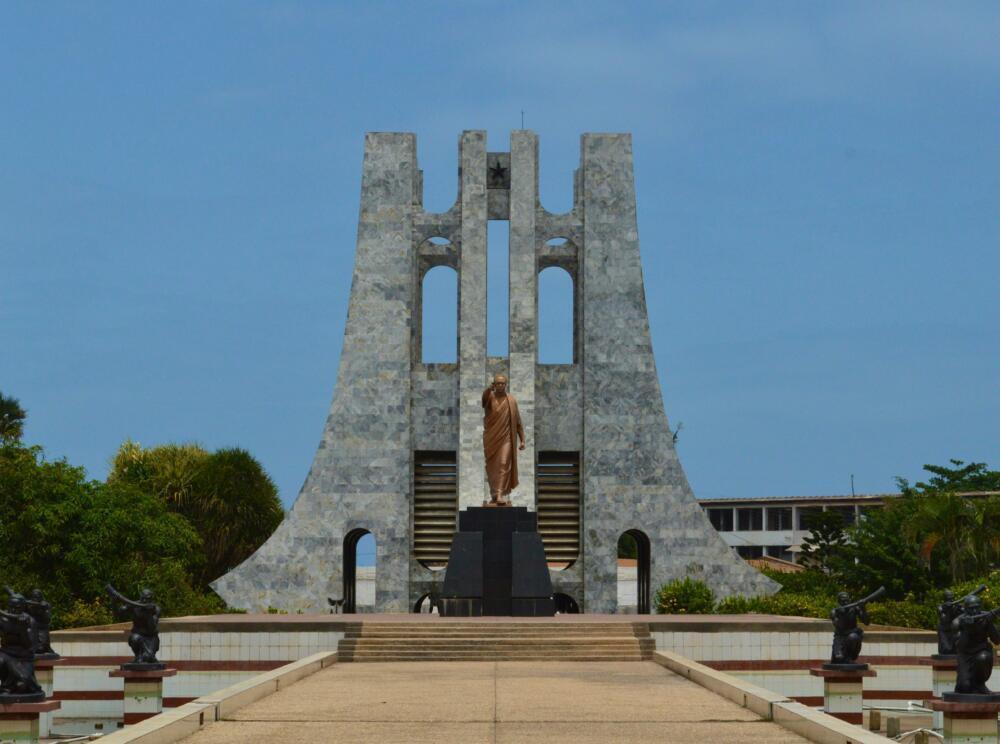
Covering an area of approximately 238,533 square kilometers, Ghana's terrain is defined by its diverse geography, which includes plains, low hills, rivers, and a strip of sandy coast with sandy beaches. The capital city, Accra, is situated along the coastline and is a bustling urban area that acts as the nation's economic and administrative hub. Other significant cities include Kumasi, the historical heartland of the Ashanti people, and Tamale, situated in the north, providing a gateway to the region's cultural depth. The country's infrastructure has experienced notable advancements over the years, with efforts to enhance connectivity and build sustainable urban environments.
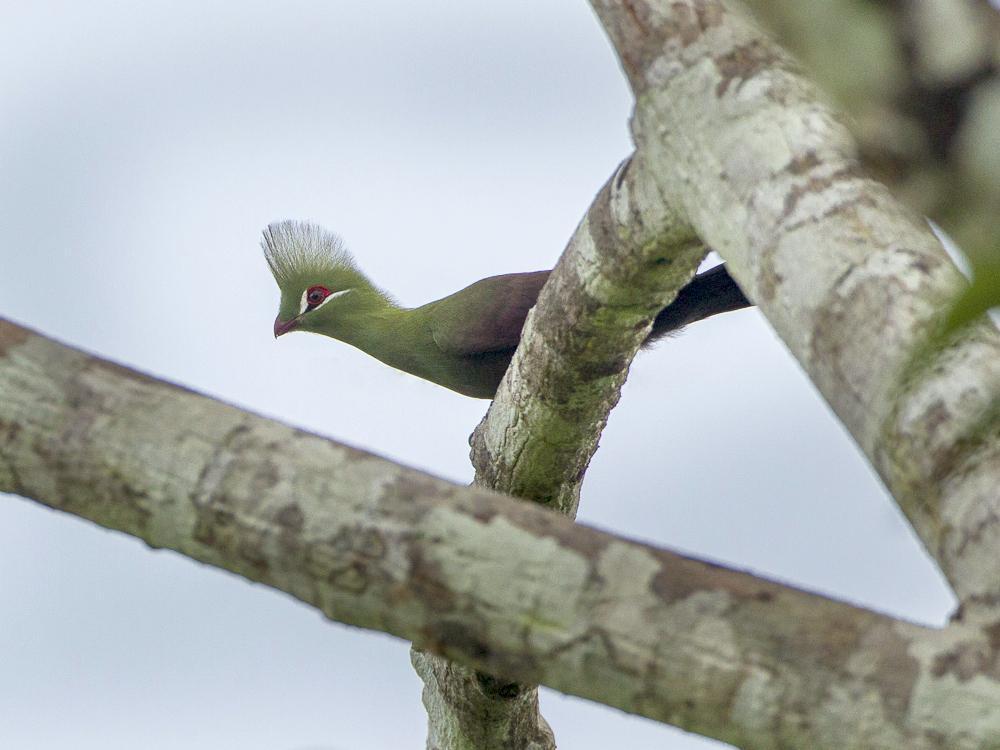
Situated near the equator, Ghana experiences a tropical climate that varies across its northern and southern regions. The country generally enjoys two main seasons: the rainy season, which spans from April to October, and the dry season, from November to March. The south, including Accra, is typically humid with lesser temperature fluctuations, while the northern region is arid with more extreme seasonal temperatures. These climatic conditions influence agricultural practices, significantly contributing to the livelihoods of many Ghanaian communities. The rich array of flora and fauna, alongside natural attractions such as Kakum National Park and Lake Volta, further underlines the ecological significance and scenic beauty of the country.
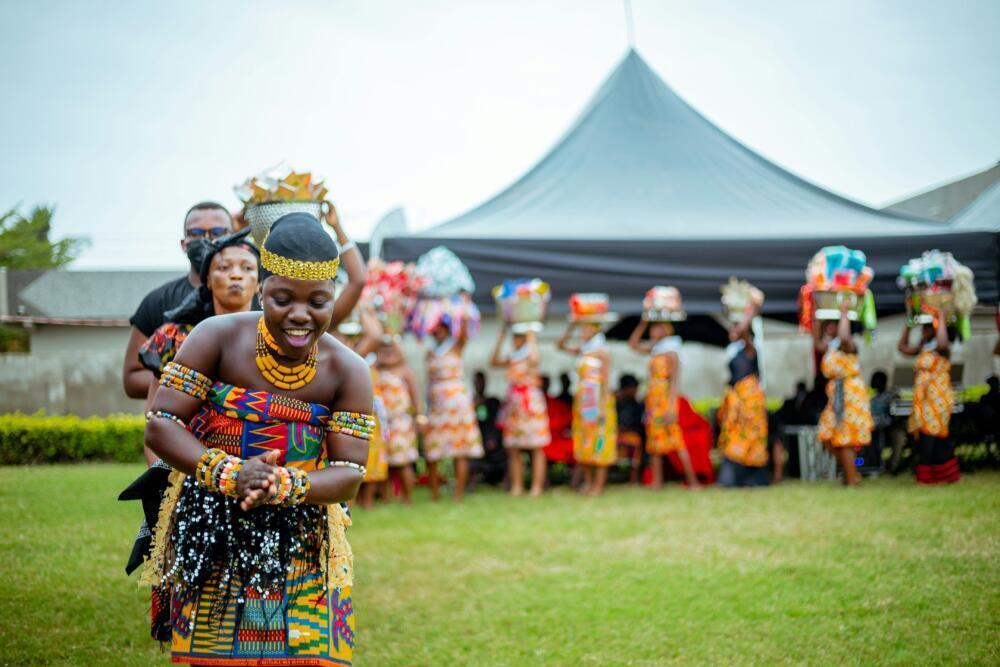
The flag of Ghana, a source of great national pride, features three horizontal stripes of red, yellow, and green, with a black five-pointed star at the center of the yellow stripe. The colors symbolize Ghana's struggle for independence, mineral wealth, and rich natural resources, while the black star represents African freedom. Tradition and modernity coalesce in Ghana's cultural practices, which include vibrant festivals such as Homowo and Aboakyir. Music and dance, especially genres like highlife and hiplife, play a vital role in defining the country's social fabric. Additionally, customs such as traditional kente weaving showcase Ghana's unique artistic heritage, presenting a vivid picture of a nation deeply rooted in its historical past yet dynamically poised for the future.