Tanzania
Tanzania, located in East Africa, is a country known for its diverse population and rich cultural heritage. As of recent estimates, Tanzania's population is over 60 million people, comprising more than 120 ethnic groups. The largest ethnic groups are the Sukuma, Chagga, and Haya, each with its unique traditions and languages. Swahili and English are the official languages, with Swahili playing a vital role in unifying the diverse ethnic mosaic. The population is predominantly rural, with agriculture being the mainstay of the Tanzanian economy, though urbanization is growing rapidly, with cities like Dar es Salaam and Dodoma expanding steadily.
The geographical landscape of Tanzania is vast and diverse, covering an area of approximately 947,300 square kilometers. This land is punctuated by a variety of terrains, from the iconic plains of the Serengeti to the snowy peaks of Mount Kilimanjaro, Africa’s highest mountain. Also notable are the large inland freshwater lakes like Lake Victoria, Lake Tanganyika, and Lake Nyasa. These geographical wonders not only define its physical characteristics but also support the rich biodiversity, making Tanzania a prime destination for ecotourism and wildlife enthusiasts from around the world.
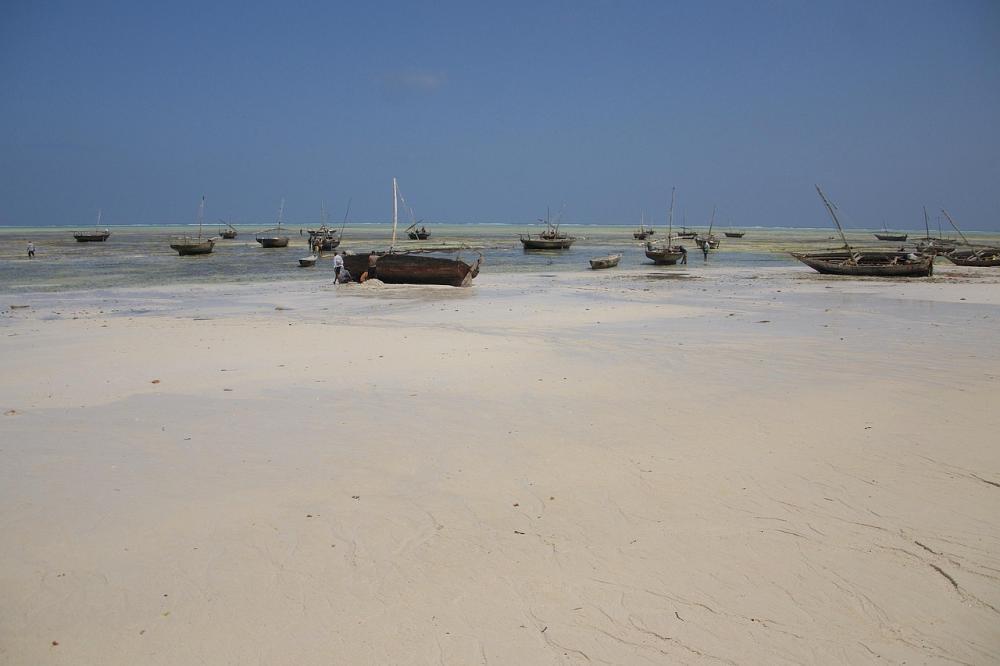
Tanzania's climate varies significantly due to its diverse geography and elevation. The coastal regions, including the islands of Zanzibar and Pemba, experience a tropical climate with hot, humid weather and two distinct rainy seasons: the long rains from March to May and the short rains from November to December. In contrast, the interior highlands have a more temperate climate, offering cooler temperatures and varying amounts of rainfall, which significantly influence agricultural patterns. This climatic diversity supports a range of ecosystems, from savannahs to forests, each hosting unique species and conservation hotspots.
One of Tanzania’s most recognizable national symbols is its flag, which consists of green, yellow, black, and blue stripes. The green represents the rich vegetation, the yellow symbolizes the country’s mineral wealth, the black signifies the people, and the blue stands for Tanzania’s vast lakes and the Indian Ocean. Tanzanian culture is deeply rooted in traditional practices, with music and dance playing a significant role in everyday life. Festivals and ceremonies are vibrant and colorful, reflecting the nation's multi-ethnic diversity. Furthermore, Tanzania is renowned for its craftsmanship in producing textiles, carvings, and beadwork, which are often celebrated in local markets. The country's culinary practices are also diverse, often featuring rice, maize, and fresh fish as staples, with each ethnic group offering unique dishes that contribute to Tanzania's rich cultural tapestry.