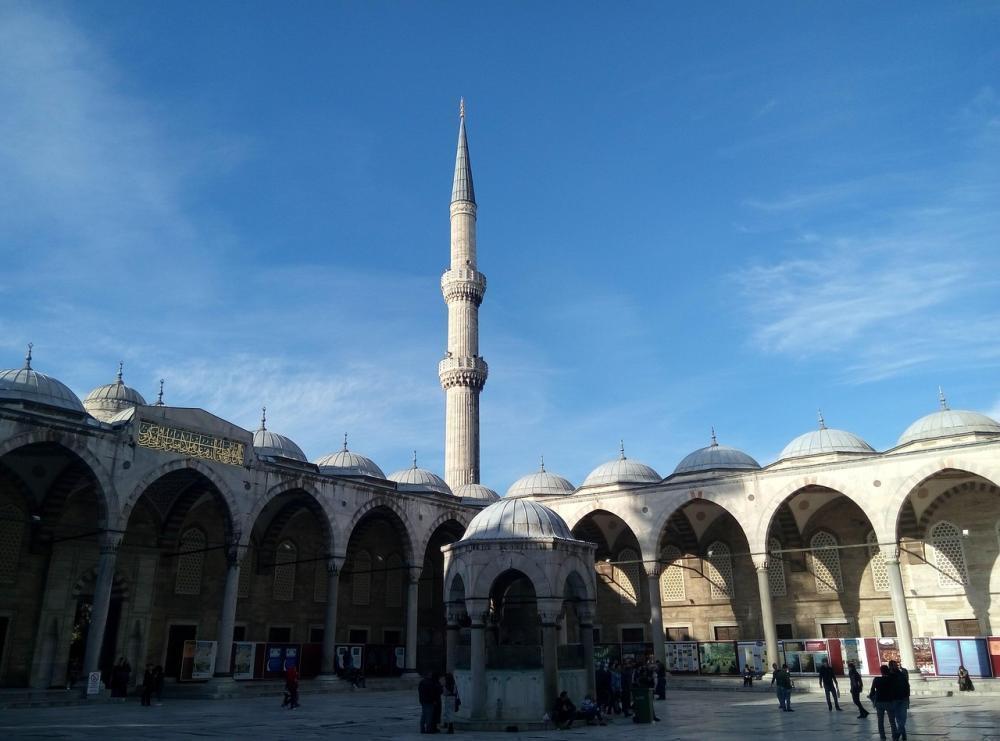
Turkey
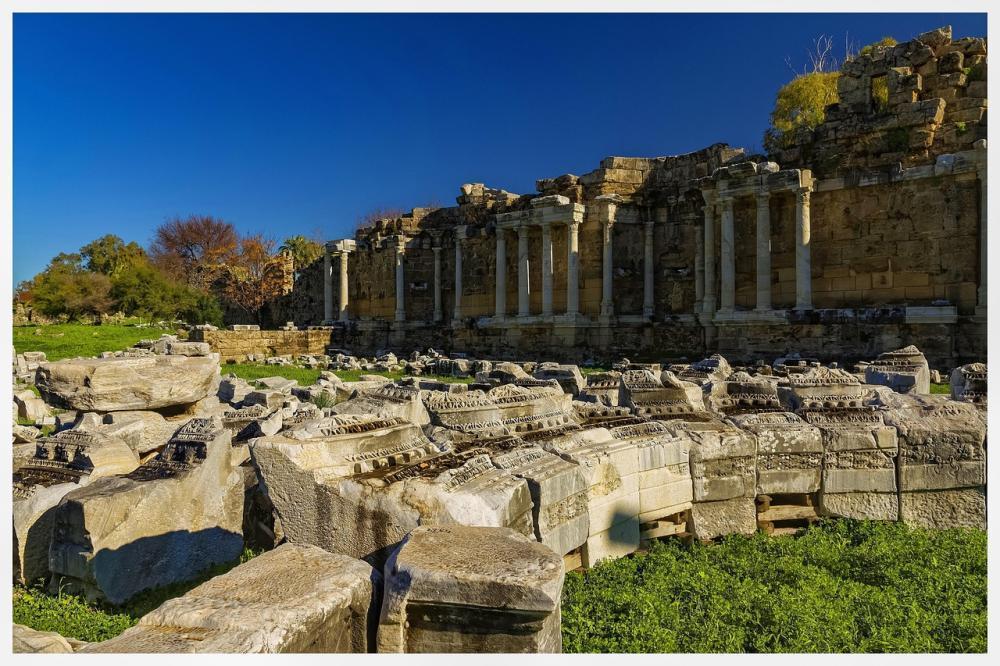
Turkey, officially known as the Republic of Turkey, is a transcontinental country located mainly on the Anatolian Peninsula in Western Asia, with a smaller portion on the Balkan Peninsula in Southeastern Europe. As of the latest estimates, Turkey boasts a population of over 84 million people, making it one of the most populous countries in the region. The capital city is Ankara, though Istanbul is the largest city and serves as a significant cultural and economic hub. The population of Turkey is known for its ethnic diversity, which includes Turks, Kurds, Arabs, and several other ethnic groups, contributing to the nation's rich cultural tapestry.
Covering an area of approximately 783,356 square kilometers, Turkey is characterized by its varied geography that includes mountain ranges, fertile plains, and a lengthy coastline bordering the Mediterranean, Aegean, and Black Seas. This expansive terrain offers a wide range of climates, from Mediterranean with hot, dry summers and mild, wet winters in the coastal regions, to a more continental climate in the inland areas, demonstrating Turkey's climatic diversity. This climate variation supports a variety of flora and fauna and influences the agricultural practices prevalent within the country.
The national flag of Turkey is a symbol that reflects its historical and cultural heritage. The flag is a simple yet powerful design featuring a white star and a crescent on a red background, which are traditional symbols of Turkish heritage and Islam. The red color of the flag is said to represent the blood of martyrs, while the star and crescent symbolize the nation's faith and culture. This emblematic flag underscores Turkey's deep ties to its history and its blend of cultural and religious influences.
Turkish culture is rich with traditional customs and practices that have been passed down through generations. One of the most notable aspects of Turkish culture is its cuisine, famous for dishes such as kebabs, mezes, and baklava, reflecting the diverse influences from the Middle East, Central Asia, and the Mediterranean. Hospitality plays a central role in Turkish customs, with a strong emphasis on social gatherings and family events. Turkish coffee and tea serve as essential components in social interactions. Additionally, Turkey is renowned for its traditional arts such as carpet weaving, ceramics, and the Whirling Dervishes ceremony. These cultural practices, combined with Turkey’s historical architecture and modern advancements, present a unique blend of the past and present, showcasing its distinctive identity on the world stage.