Nigeria

Nigeria, situated in West Africa, is the most populous country on the continent. As of the latest estimates, Nigeria's population surpasses 210 million people, a figure that continually grows due to high birth rates. This diverse population encompasses over 250 ethnic groups, with the Hausa, Yoruba, and Igbo constituting the major ethnicities. The multicultural nature of the population is reflected in the multitude of languages spoken across the nation, though English serves as the official language due to Nigeria's colonial history.
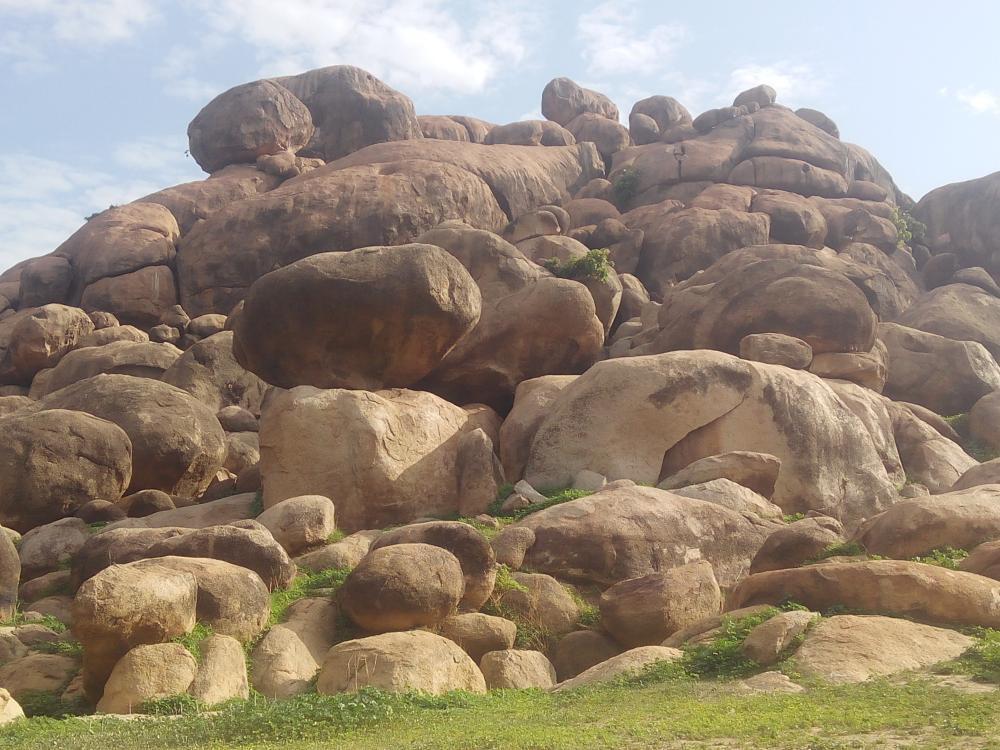
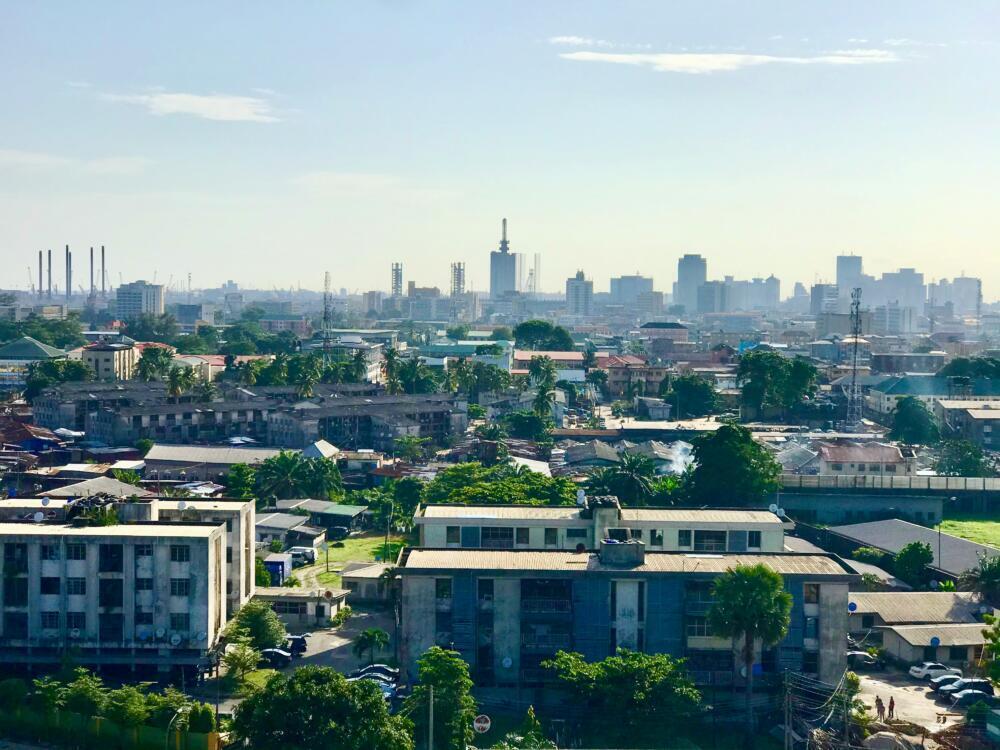
Covering an area of approximately 923,769 square kilometers, Nigeria is a country of vast contrasts and geographical diversity. From the sandy beaches of the southern Atlantic coastlines to the semi-arid northern Sahel region, Nigeria's landscape is varied and rich in natural resources. The country is divided into 36 states and one Federal Capital Territory, with Abuja serving as the capital city. Lagos, however, remains the largest city and is a major financial hub for Africa.
Nigeria's climate varies significantly from the tropical rainforest climate in the south to the arid conditions of the north. The southern regions experience high humidity and substantial rainfall, supporting lush forests and an abundance of wildlife. In contrast, the north sees much less rainfall, adapting to the arid landscape with savannah plains. Seasonal changes are typically marked by wet and dry seasons, with the former occurring from April to October and the latter from November to March.
Nigeria's national identity is also symbolized through its flag and cultural customs. The flag features a simple design with three vertical bands of green, white, and green. The green represents Nigeria's lush vegetation and its agricultural industry, while the white signifies peace and unity among its people. Traditional customs are vividly maintained in daily life and are especially evident during festivals and celebrations. Events like the Durbar festival and the New Yam festival reflect Nigeria's rich heritage and offer insights into the varied cultural practices. Music and dance are integral to Nigerian culture, with genres such as Afrobeats gaining international recognition. Additionally, Nigeria is renowned for its vibrant film industry, Nollywood, which stands as the second-largest in the world by production volume. This dynamic combination of history, population, and diversity truly captures the essence of the nation, making Nigeria an influential and pivotal country in Africa and beyond