South Korea
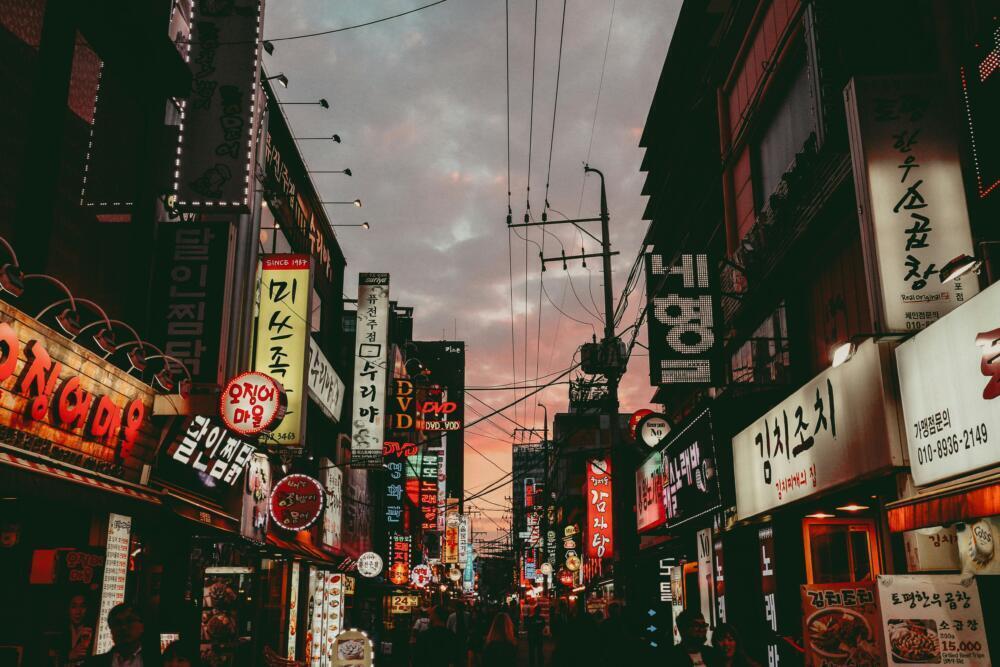
South Korea, officially known as the Republic of Korea, is a dynamic nation located on the southern half of the Korean Peninsula in East Asia. The country is bordered by North Korea to the north, the Yellow Sea to the west, and the Sea of Japan to the east. South Korea has a population of approximately 51 million people, with Seoul, the capital city, being home to nearly 10 million of its residents. The population is characterized by a high density, vibrant city life, and significant technological and cultural influences that pervade every aspect of daily life. As a testament to its rapid economic development, South Korea is often cited as an exemplar of the "Asian Miracle" for its swift transformation from an agrarian society to a high-tech industrial powerhouse.
Covering an area of roughly 100,000 square kilometers, South Korea features a primarily mountainous landscape, with lower regions dispersed throughout. The country's terrain is a striking blend of natural beauty, encompassing mountains, hills, and a coastal plain. South Korea enjoys a temperate climate characterized by four distinct seasons: cold winters, hot and humid summers, and pleasant springs and autumns. The climate significantly influences the culture, prompting seasonal festivals that celebrate the unique characteristics and beauty of each of the four seasons, such as the famous cherry blossom festivals in spring or the ice fishing events in winter.
South Korea's national flag, known as the Taegeukgi, is rich with symbolism. It features a white background, embodying purity and peace, with the central red and blue yin-yang symbol representing balance in the universe. Surrounding this symbol are four black trigrams, each signifying fundamental universal principles: heaven, earth, fire, and water. The flag is a proud representation of South Korean identity and values, frequently displayed during national holidays and international events alike.
The cultural fabric of South Korea is woven with rich traditions and customs that play a crucial role in the everyday lives of its people. Korean cuisine, which includes well-known dishes like kimchi, bulgogi, and bibimbap, lays strong emphasis on fermented and seasoned flavors. Moreover, respect for family hierarchies and ancestral traditions pervades social customs, with practices such as Chuseok, the Korean harvest festival, exemplifying the importance of family gatherings. The country is also renowned for its cultural exports like K-pop, Korean dramas, and technology-driven innovations, all of which have gained global prominence. These factors together shape South Korea’s identity, contributing to its reputation as a country that harmonizes tradition with modernity.